
These weight loss drugs can lessen stroke risk
Weight loss drugs, like Ozempic, can help prevent stroke and reduce brain injury related complications, three separate studies have revealed
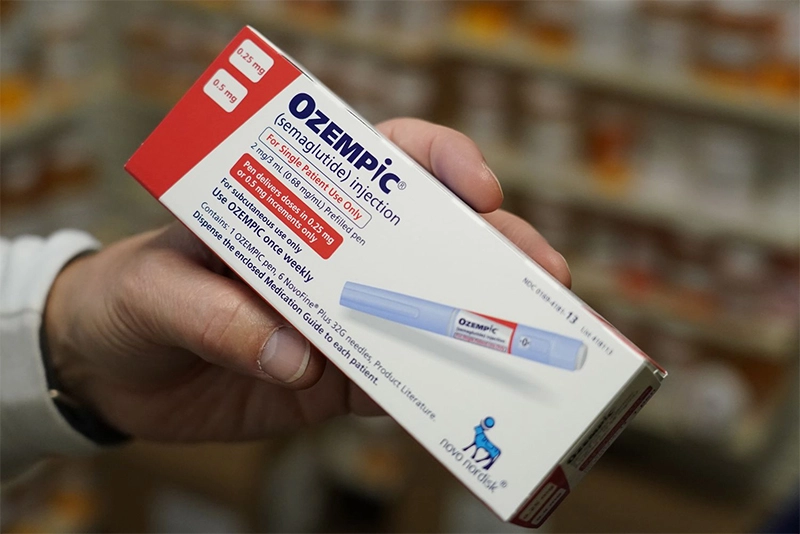
Nashville (Tennessee, US): Weight loss drugs, like Ozempic, can help prevent stroke and reduce brain injury related complications, three separate studies have revealed.
The three studies were presented at the Society of NeuroInterventional Surgery's (SNIS) 22nd Annual Meeting on July 17, 2025.
Two of the three studies were conducted by the researchers at the University of Wisconsin–Madison whereas the third was done by the researchers from the University of Texas Medical Branch in Galveston.
The researchers discussed whether using GLP-1 inhibitors could lessen the impacts of stroke and related brain injuries or reduce the risk of stroke altogether.
These medications, which lower blood sugar and often cause weight loss, are commonly prescribed for Type 2 diabetes and obesity, and include drugs like semaglutide or Ozempic.
1.
The first study was titled, "The Impact of Semaglutide (Ozempic) on Mortality and Survival in Patients with Acute Ischemic Stroke: A Nationwide and Institutional Retrospective Analysis."
For this study, the researchers at the University of Wisconsin–Madison used patient data from both the university's medical center and a global health collaborative to see whether patients on Ozempic who experienced strokes had better outcomes than patients not taking Ozempic.
The global dataset included 2,021,704 patients who had experienced stroke, 43,338 of whom were also on Ozempic, and the University of Wisconsin dataset included 13,510 people who had experienced stroke, 190 of whom used Ozempic.
"Death from stroke was lower for Ozempic users across both cohorts", the researchers found.
"In the global dataset, 5.26% of Ozempic users initially died from their strokes compared to 21.61% of non-users, and Ozempic users also had a 77.5% chance of surviving their strokes long term compared to 30.95% of non-Ozempic users", they said.
The university cohort showed similar results, with 5.26% of Ozempic users dying from stroke versus 26.57% of patients not using Ozempic.
2.
The second study, also from the University of Wisconsin–Madison, was titled, "Association between Ozempic Use and Stroke Risk: A Nationwide Emergency Department Analysis."
For this study, the researchers examined a large nationwide sample of emergency department records for people who experienced stroke and people who were likely using Ozempic, and found associations between potential Ozempic users and significantly reduced odds of stroke.
The research team suggests taking this research further to evaluate data directly from pharmacies to be even more precise about the relationship between Ozempic and stroke prevention.
3.
The third study has been titled, "Impact Of GLP-1 Agonists on Stroke, SAH, and ICH: A Propensity-matched Multi-institutional Cohort Study."
The study was presented by researchers from the University of Texas Medical Branch in Galveston.
For the study, the researchers investigated whether GLP-1 inhibitors could improve patient outcomes after brain hemorrhages (both spontaneous bleeds and those due to brain aneurysm rupture) and stroke.
The team reviewed patient records from 6 months and 12 months after each brain hemorrhage and 1 year and 2 years after each stroke, finding that GLP-1 inhibitor use was connected to a reduced risk of cognitive side effects, seizures, future brain hemorrhage and death after brain hemorrhage and stroke.
Fascinating, Promising Results
Ahmed Elbayomy, MD, a Research Fellow and Data Scientist in the Department of Neurological Surgery at the University of Wisconsin–Madison and Primary Author of two of the three studies, said the results are very promising.
"More research is certainly needed, but seeing the potential protection offered by these medications is a fascinating finding", he said.
Matias Costa, MD, from the Neurosurgery Department at the University of Texas Medical Branch and author of the third study, said the study results have given rise to a new perspective on preventing stroke and related brain injuries.
"This research could introduce a new perspective to the discussion of preventing and mitigating the devastating effects of stroke and related brain injuries," Costa said.
Follow ummid.com WhatsApp Channel for all the latest updates.
Select Language To Read in Urdu, Hindi, Marathi or Arabic.

For all the latest News, Opinions and Views, download ummid.com App.

 Post Comments