Avoid actions that could escalate tension with Iran: Saudi Arabia to Arab neighbors
In a major move to diffuse the escalating situation in the Middle East, Saudi Crown Prince Mohammed bin Salman has asked the Arab allies to avoid any action that could enflame tension with Iran.
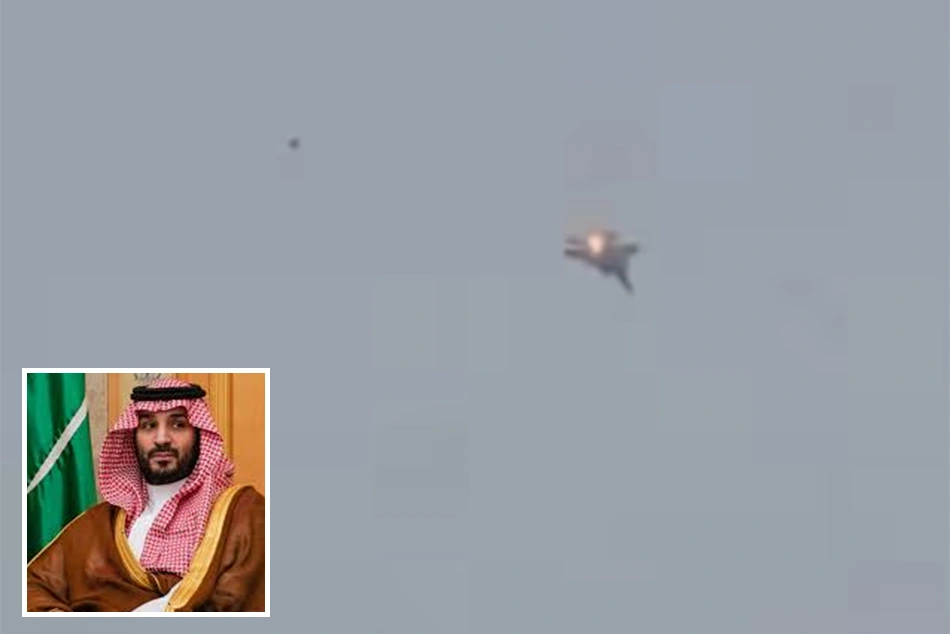
[The Iranian Army Monday shared a video of US F-15 fighter jet shooting down near Kuwait border]
Riyadh: In a major move to diffuse the escalating situation in the Middle East, Saudi Crown Prince Mohammed bin Salman has asked the Arab allies to avoid any action that could enflame tension with Iran.
Mohammed bin Salman has personally sent messages to Gulf leaders advising them to avoid taking any steps that could trigger a response by Tehran or its proxies, and push the region towards a broader conflict.
The Middle East Eye citing its sources reported that Mohammed bin Salman conveyed the message to the leaders of Bahrain, Kuwait, Qatar and the United Arab Emirates on Saturday, shortly after the country's foreign ministry formally condemned Iran's retaliatory strikes across the Arabian Peninsula.
The sources said that the conversations were brief but there was an emerging consensus that Iran's retaliatory strikes were lesser in intensity than expected and that the Gulf States should avoid taking any direct action that could elicit an angry response from Tehran.
In launching Saturday's attack on Iran, the White House effectively rejected the pleas of its allies in the region who cautioned against the strikes, even as a deal looked imminent. It is hence senior Saudi officials have expressed anger at the scale and timing of the US and Israeli strikes on Iran, the Middle East Eye said in its report.
"Our Arab friends"
This comes at the backdrop of the Spokesman for Iran’s Ministry of Foreign AffairsEsmaeil Baghaei defending Iran’s retaliatory attacks in several countries across the region.
“Under international law, any place, any location, any logistical support that are given to the aggressor [is a] legitimate target for the victim state. So, we are not attacking any country in the region. We are friendly with all countries of the region. What we are doing is just taking defensive actions”, he said in an interview with Al Jazeera.
“We have proven that we trust our friends in the region. That’s why we try to get together with the countries of the region in furtherance of this diplomatic process. The problem is that the United States is conducting this war of aggression at the cost of everyone, including the countries of the region”, Baghaei said.
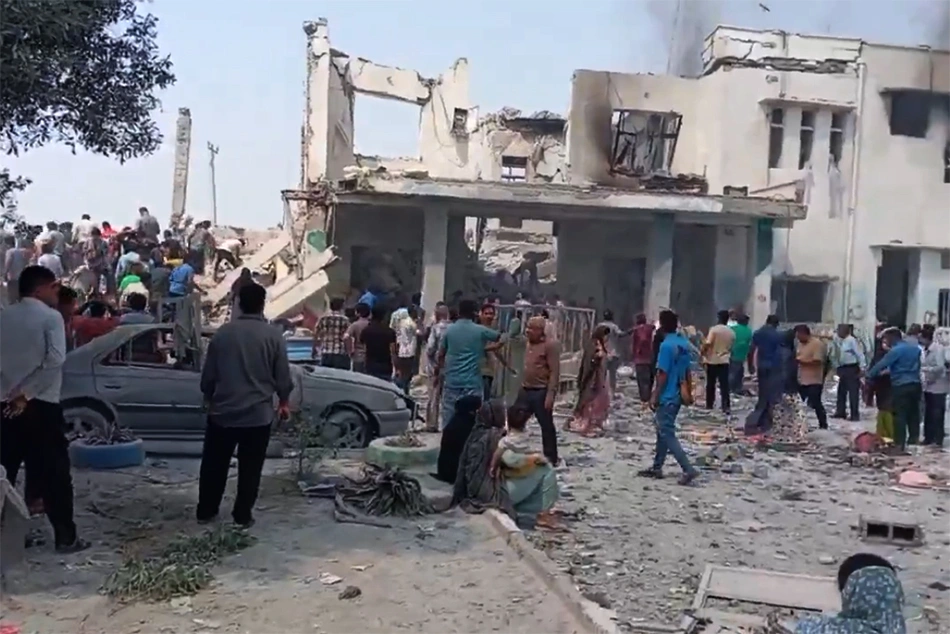
At least 201 people, including Iran’s Supreme Leader Ali Khamenei and some 40 senior officials have been killed in the US-Israeli joint military strikes on Tehran and other parts of Iran since Saturday February 28, 2026.
Iran has retaliated targeting US military bases in Saudi Arabia, Bahrain, UAE, Qatar, Kuwait, and Oman along with Tel Aviv, Jerusalem and other cities of Israel to avenge the attack.
However, Iran’s attacks on its Arab neighbors sparked outrage, sparking speculations that the situation could lead to a wider conflict in the region. Against this backdrop Saudi Crown Prince personally called the leaders of the GCC countries and urged them to observe restraint.
"Saudi Arabia tried its best to stop war"
The Middle East Eye in its report said the call between Mohammed bin Salman and UAE President Mohamed bin Zayed, who have been at odds for months over the wars in Yemen and Sudan and other tensions, was a sign of how Iran's response to the US-Israeli attacks had jolted the region.
Citing the sources aware of Saudi Crown Prince's phone calls, the Middle East Eye reported that the Kingdom was "deeply upset" at how the attack was handled.
Carefully couching their criticism, the source said that the Saudis believed that any military involvement by one of the Gulf States against Iran could drag Yemen's Houthis into the conflict.
"Our biggest fear now is that any escalation will be used as a pretext by Tehran to unleash its network of proxies," the source said, referring to the Houthis which Iranian officials have previously supported.
Abdulaziz Alghashian, a Saudi Researcher and senior nonresident fellow at the Gulf International Forum, told the publication that the Saudis were "infuriated" with the decision to attack Iran "and did everything they could to avoid the situation."
He said the kingdom would likely avoid engaging in public diplomacy amid the barrage of Iranian strikes across the Gulf, but said they could seek to "dampen" the issue.
Meanwhile, Iran's Tasneem News Agency citing its military source said that civilian areas or oil facilities in the regional countries were not and are not among the targets of Iran's attacks. The news agency at the same time added that all American and Israeli interests in any part of the region are among Iran's legitimate targets and will all be under attack.
The report came amidst the report that falling debris from an intercepted Iranian drone caused a "limited fire" at Saudi Arabia's Aramco oil refinery in Ras Tanura on Monday.
Follow ummid.com WhatsApp Channel for all the latest updates.
Select Language to Translate in Urdu, Hindi, Marathi or Arabic