Modi govt’s response to Iran War not driven by National Interest
At a moment of profound geopolitical transformation, India requires clarity, balance, and moral conviction in its foreign policy, but what has been on display is hesitation, contradiction, and a troubling drift away from principled diplomacy.
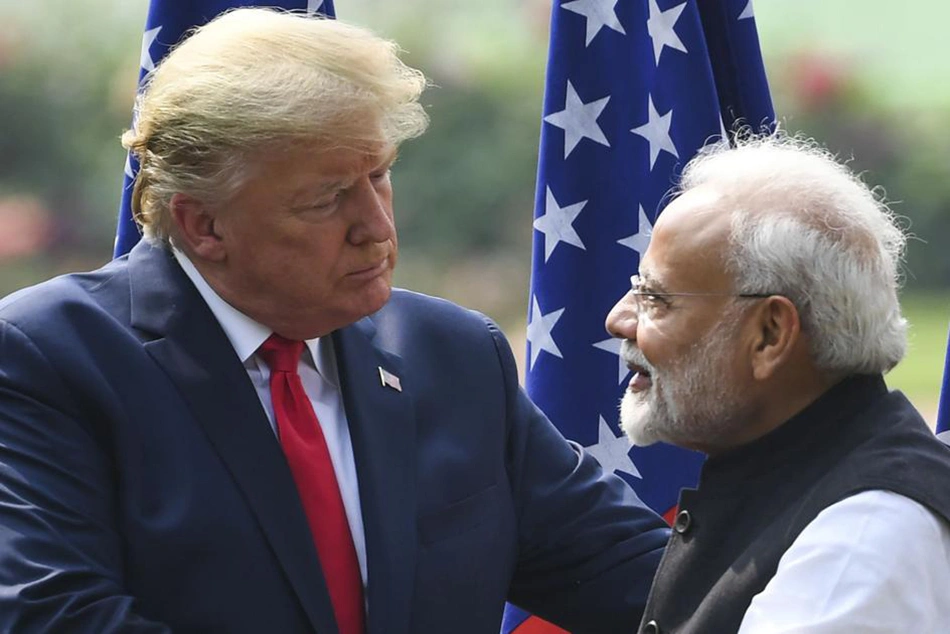
Prime Minister Narendra Modi’s address in Parliament on the Iran–US–Israel war reflected a troubling pattern: Evasion, Deflection, and Refusal to confront uncomfortable realities.
As in earlier instances, he sought to reassure the nation that everything was under control, claiming the conflict would have no significant economic impact on India. Such assertions, however, appear less like informed judgment and more like political posturing aligned with ideological loyalties.
Modi’s reluctance to criticize the US–Israel offensive raises serious questions. Rather than a miscalculation, his stance seems deliberate — prioritizing ideological affinity over India’s long-standing diplomatic balance. If national interest were paramount, India would have asserted an independent position, including condemning unilateral military aggression and its destabilizing consequences.
Instead, Modi chose silence. He neither challenged the narrative of regime change in Iran nor clarified whether he endorsed such an outcome. This ambiguity reinforces concerns that India is increasingly aligning itself with external power blocs at the cost of strategic autonomy.
Traditionally, India maintained balanced relations across West Asia. Under Modi, that equilibrium appears to be eroding. Experienced inputs from diplomatic and intelligence institutions seem sidelined, replaced by politically driven decisions. The result is a precarious positioning of India in a rapidly shifting geopolitical landscape.
Equally concerning was Modi’s delayed engagement with Parliament. Despite the gravity of the crisis, he addressed the House midway through the session — an act that underscores a dismissive attitude toward democratic accountability. His claims regarding the return of 375,000 Indians from the region obscure the larger reality: nearly 10 million Indians live and work across Gulf countries, many in zones directly affected by escalating tensions.
While describing the situation as “worrisome,” Modi stopped short of condemning the strikes on Iran — widely seen as an unprovoked escalation. This selective framing has drawn criticism as a failure of moral courage and a departure from India’s traditional foreign policy principles.
His speech also revealed contradictions. On one hand, he acknowledged serious economic, security, and humanitarian challenges arising from the war. On the other, he downplayed its impact on India. Such inconsistencies weaken public confidence and raise doubts about policy coherence.
Modi’s invocation of national unity and comparisons with the COVID-19 crisis appeared more rhetorical than substantive. Rather than outlining concrete preparedness measures, he emphasized past achievements, including claims of energy diversification. Yet India remains heavily dependent on imports routed through the Strait of Hormuz — a chokepoint severely affected by the conflict.
The government’s assurances of adequate petroleum reserves ring hollow against rising prices and supply disruptions already affecting households. Similarly, the global fertilizer crisis triggered by the war — impacting production, trade routes, and prices, poses a serious threat to agriculture and food security, an issue largely glossed over in the Prime Minister’s remarks.
Diplomatically, India’s approach appears inconsistent. While engaging multiple countries, there is little evidence of a coherent strategy capable of influencing outcomes. Crucially, meaningful engagement with Iran — central to India’s energy and regional interests, remains inadequate.
The broader concern is strategic: aligning too closely with the US risks alienating Iran and undermining India’s long-term interests in the region. The evolving global order, marked by emerging fractures even within Western alliances, demands nuanced and independent policymaking — not ideological alignment.
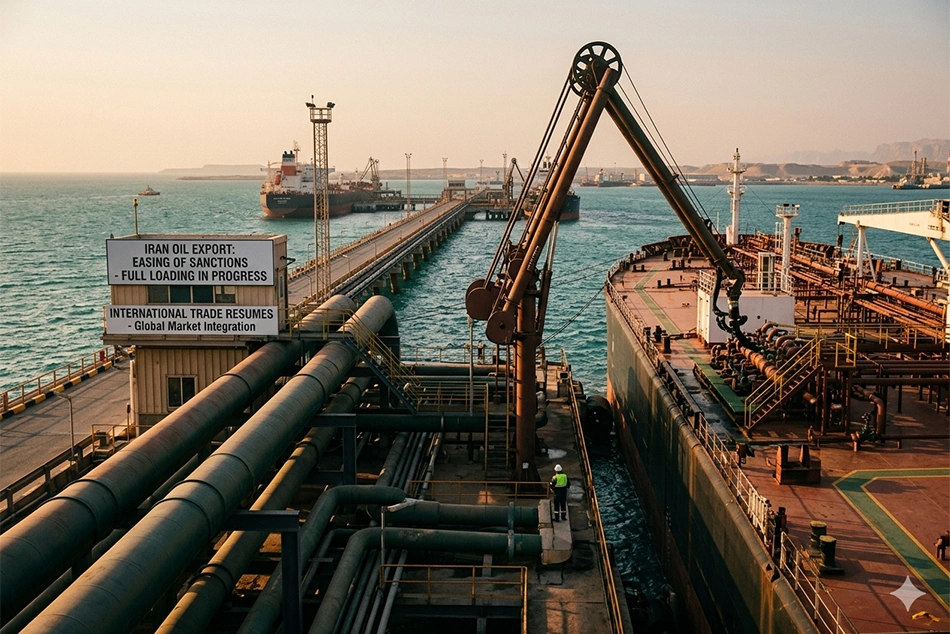
Modi’s handling of the crisis reflects an “escapist” approach—avoiding difficult questions while projecting confidence. Critics argue that the government has failed to uphold India’s commitment to strategic autonomy, particularly in its reluctance to condemn violations of sovereignty and its inaction on key projects like Chabahar port.
At a moment of profound geopolitical transformation, India requires clarity, balance, and moral conviction in its foreign policy. Instead, what has been on display is hesitation, contradiction, and a troubling drift away from principled diplomacy.
[The writer, Arun Srivastava, is a Senior Journalist.]
Follow ummid.com WhatsApp Channel for all the latest updates.
Select Language to Translate in Urdu, Hindi, Marathi or Arabic