How Indian Gen Z Reawakened Democracy
Although the resignation of Education Minister Dharmendra Pradhan remained the immediate rallying point, the students movement gradually became the collective voice of a generation confronting unemployment, compromised examinations, declining public accountability and diminishing confidence in institutions that were expected to guarantee fairness
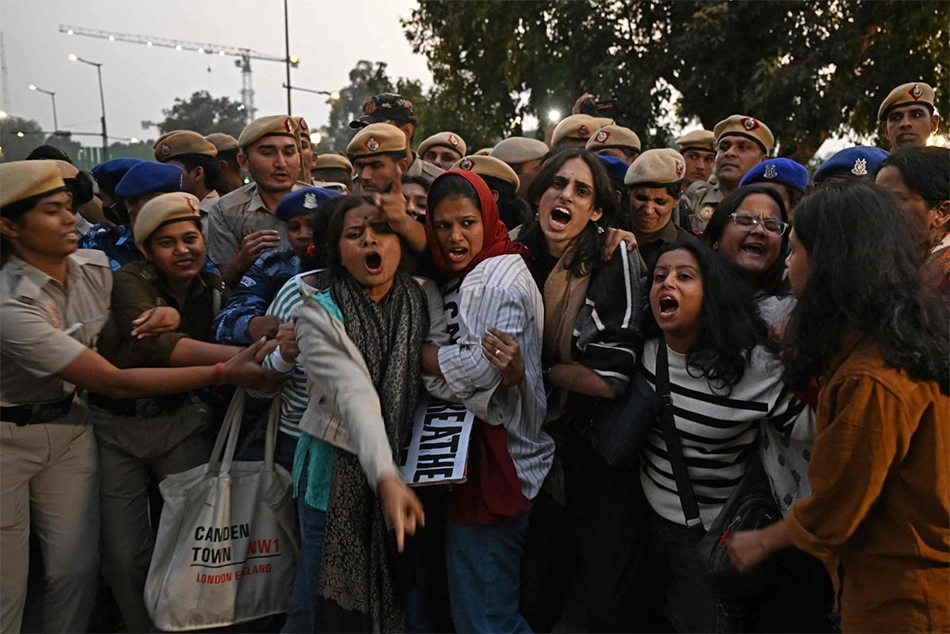
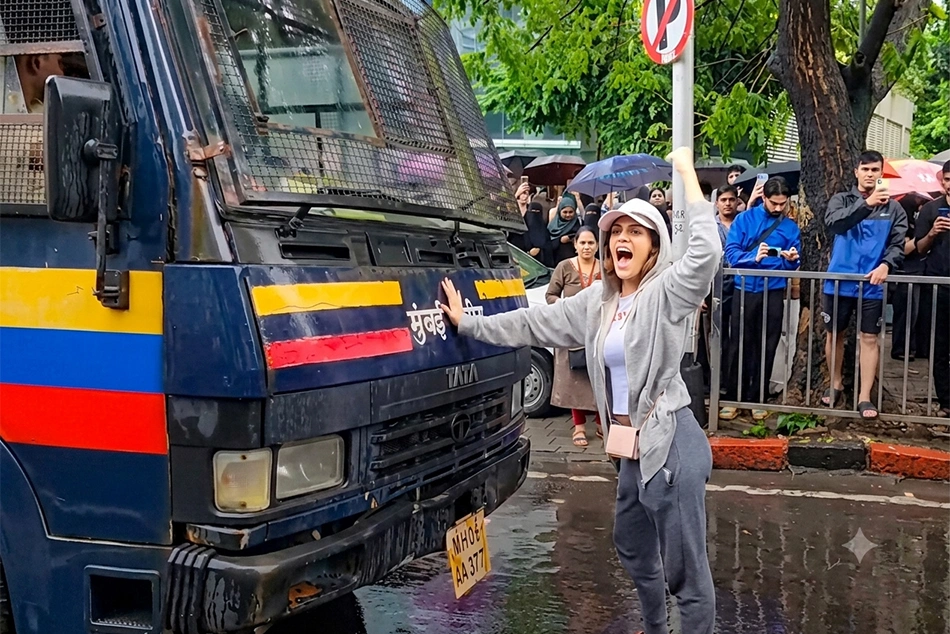
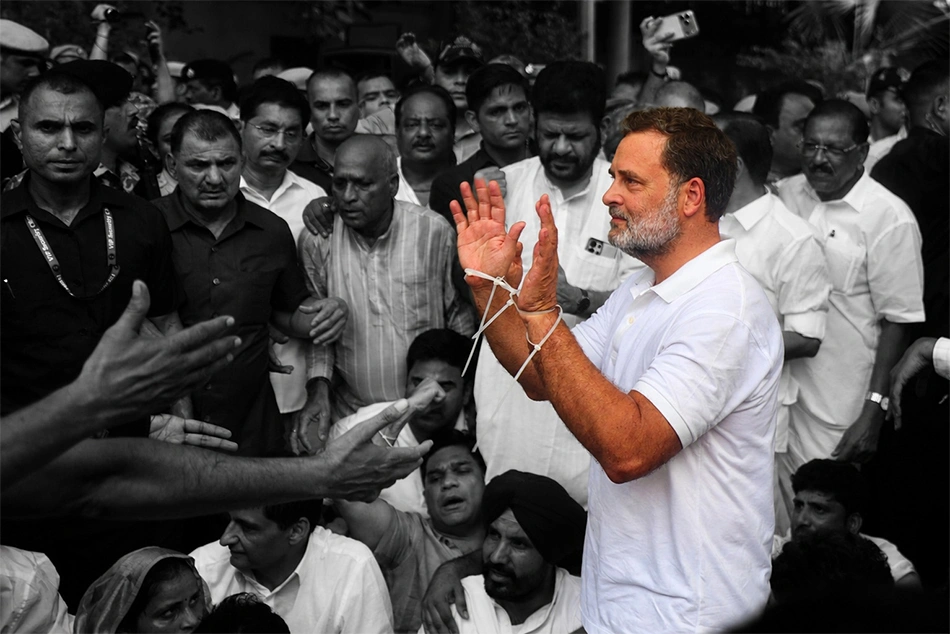
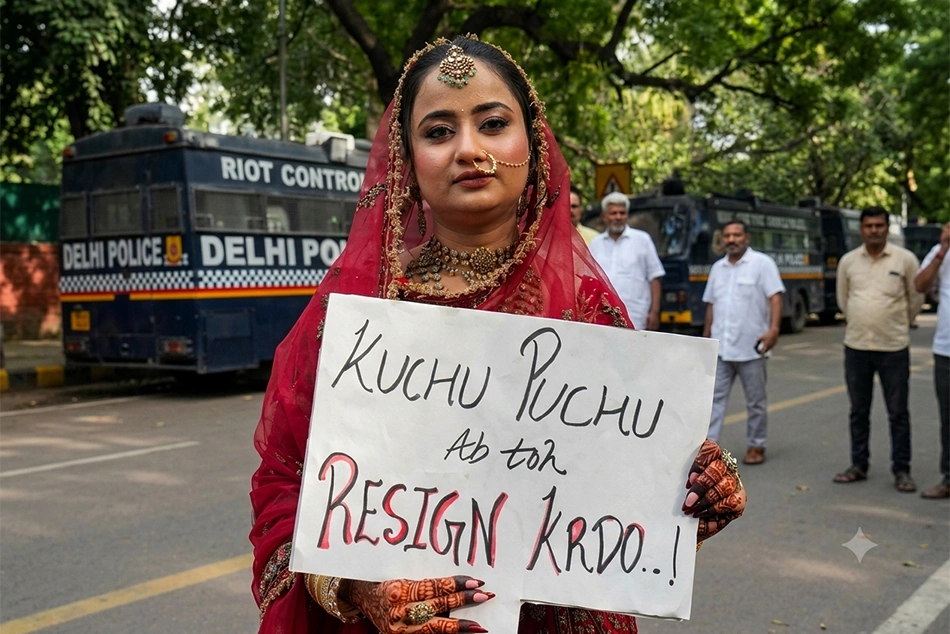
Yesterday, the Nrendra Modu government finally conceded to one of the central demands of the nationwide student movement—the resignation of the Union Education Minister Dharmendra Pradhan. Along with accepting his resignation, the government also agreed to several other key demands, including compensation to families who had lost children to examination-related suicides and the withdrawal of police cases against thousands of peaceful protesters. These decisions brought to a close nearly two months of sustained demonstrations including online, with Delhi’s Jantar Mantar serving as the symbolic heart of the movement.
While the Dharmendra Pradhan's resignation dominated the headlines, the significance of what unfolded extends far beyond the departure of a minister. It marks a rare moment when an increasingly unresponsive government was compelled to listen to its citizens. Whatever one may think of the politics surrounding the movement, it has reaffirmed a simple but profound democratic truth:
However powerful a government may appear, the collective will of ordinary people remains the ultimate source of democratic authority.
The past few months have also restored something that many believed had been steadily disappearing—faith in the power of peaceful collective action. Until recently, cynicism had begun to overshadow hope. Many believed that protests no longer mattered, governments no longer listened, and public institutions had become insulated from the concerns of ordinary citizens. This movement challenged that growing sense of helplessness. It demonstrated that when citizens organise peacefully, remain united and persevere despite intimidation, democratic institutions can still be made accountable. In that sense, the movement has achieved something far greater than the resignation of a minister. It has reclaimed a democratic space that many feared was steadily shrinking.
The Most Remarkable Aspect of the Protest
Perhaps the most remarkable aspect of the movement is where it began. It did not emerge from political parties, trade unions or large civil society organisations. It began with young people. Across university campuses, coaching centres, hostel rooms and countless conversations on social media, frustration had been steadily building over repeated examination irregularities, shrinking employment opportunities and the growing perception that those responsible for public failures were never held accountable. The immediate trigger was the controversy surrounding the NEET examination, which came to symbolise a much deeper crisis of trust in India’s education and recruitment systems.
The demand for the resignation of the Education Minister emerged from this crisis, but beneath it lay years of accumulated disappointment with an education system that seemed increasingly indifferent to the aspirations of India’s youth.
Around this demand also emerged the symbolic identity of the “cockroach”—a humorous metaphor for resilience, survival and the refusal to be crushed despite repeated attempts to silence dissent.
What could easily have remained another social media trend instead evolved into one of the most remarkable youth-led democratic movements India has witnessed in recent years. As the campaign gathered momentum online, activist Abhijeet Dipke returned to India to help coordinate the movement from Jantar Mantar. A committed leadership team gradually emerged, organising volunteers, managing logistics, communicating with the media and ensuring that the movement remained peaceful, disciplined and inclusive.
What had initially been conceived as a one-day demonstration soon expanded into a sustained national campaign. Protests spread from Delhi to Mumbai, Hyderabad, Bengaluru, Jaipur, Prayagraj, Patna and Nagpur before reaching district headquarters across the country. In a matter of weeks, the movement outgrew both its organisers and its geography. It no longer belonged to a city or to a handful of leaders. It belonged to thousands of ordinary young Indians who chose to become participants rather than spectators.
Key Strength of the Movement
Its greatest strength lay in its spontaneity. Students travelled hundreds of kilometres at their own expense, often without any formal mobilisation or organisational support. They came because they believed that simply being present mattered. For many, this was their first experience of participating in a public protest. They were not driven by political ambition but by the conviction that silence had become impossible.
Although the resignation of the Education Minister remained the immediate rallying point, the movement gradually became the collective voice of a generation confronting unemployment, compromised examinations, declining public accountability and diminishing confidence in institutions that were expected to guarantee fairness. Individual grievances slowly merged into a broader national conversation about justice, opportunity and accountability.
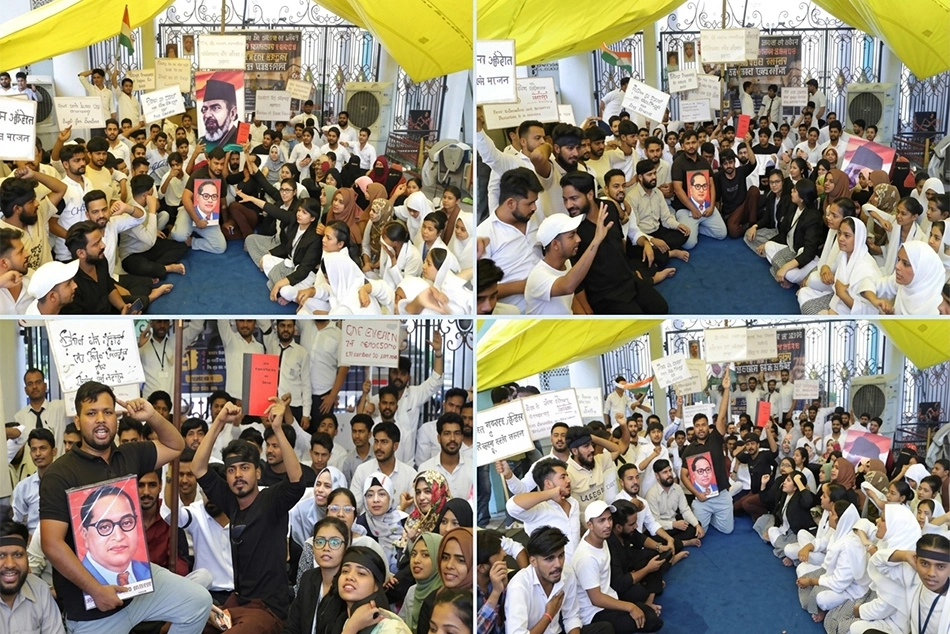
Yet the true strength of the movement was not merely its scale but its character. The protest sites evolved into temporary communities built on cooperation, mutual care and shared purpose. Every morning, volunteers organised cleanliness drives, collecting discarded bottles, paper cups and plastic waste before beginning the day’s activities. Community kitchens ensured that nobody went hungry.
Evenings belonged to conversations, music and games of chess, badminton, cards and ludo. Strangers became friends within days. Students from different regions, languages, castes, religions, classes and genders lived, laughed and worked together without allowing these identities to define their relationships. During those weeks, the protest sites became small demonstrations of the inclusive India that many participants wished to build—an India where solidarity mattered more than social divisions.
The Refreshing Angle of the Protest
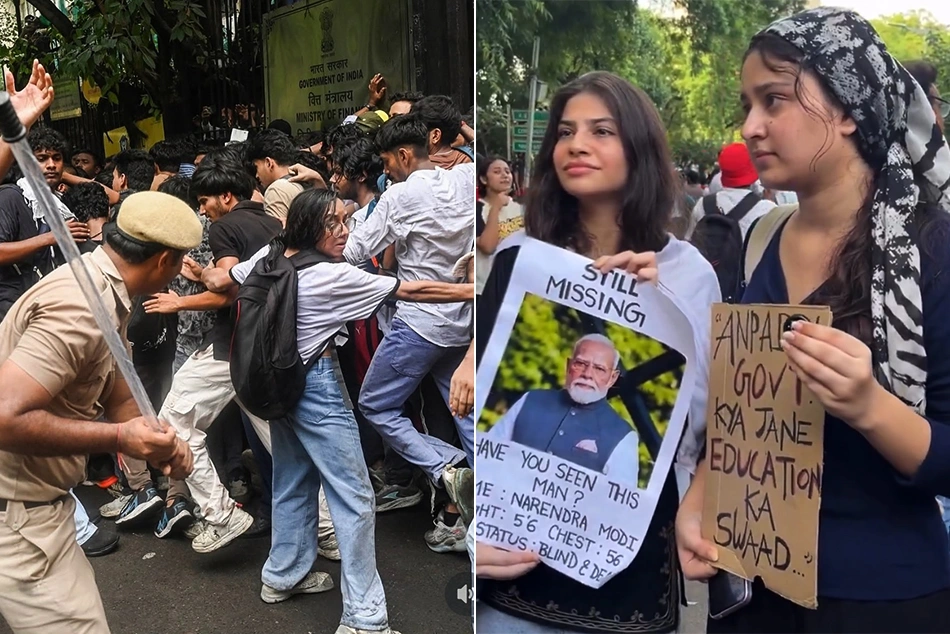
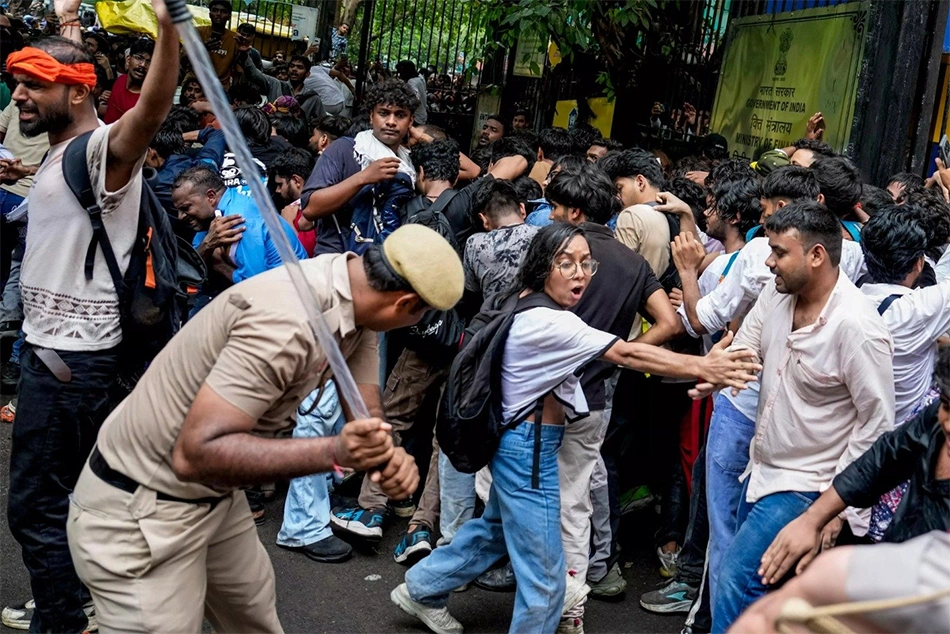
The movement also introduced a refreshing culture of democratic protest. Previous generations often associated resistance with anger, confrontation and emotionally charged sloganeering. Gen Z retained the seriousness of the demands while expressing them with remarkable creativity. When police prepared to charge demonstrators, protesters responded by singing the national anthem. When water cannons were used to disperse crowds, drenched students transformed the assault into an impromptu rain dance. Barricades intended to intimidate became symbols of collective determination.
Perhaps most strikingly, protesters offered food and handheld fans to police personnel standing for hours in the scorching summer heat. These gestures did not weaken the movement; they strengthened its moral authority. They demonstrated that resistance need not be driven by hatred, courage need not abandon compassion, and protest need not sacrifice its humanity. By combining humour, dignity and non-violence, Gen Z has expanded India’s democratic vocabulary and shown that peaceful protest can be both joyful and immensely powerful.
Equally significant has been the movement’s ability to bridge the digital and physical worlds. Social media provided speed, visibility and reach, enabling ideas to travel across campuses and cities within hours. The streets, however, gave those ideas legitimacy, solidarity and moral force. One strengthened the other. Together they demonstrated that digital activism achieves its greatest impact only when it inspires people to leave their screens and occupy public spaces peacefully. The past few months have shown that technology is most powerful not when it replaces collective action but when it amplifies it.
As the movement gathered momentum, its appeal extended far beyond students. Parents marched alongside their children. Teachers stood beside their students. Lawyers, artists, writers, retired civil servants, intellectuals, activists, civil society organisations and political parties gradually joined the demonstrations. What began as a student movement evolved into a broader citizens’ movement centred on justice, accountability and democratic values. It demonstrated that while injustice may first affect one section of society, its consequences ultimately concern everyone. The movement succeeded because it transcended divisions of caste, class, religion, language and region, replacing them with a shared commitment to fairness and constitutional values.
Although the movement has achieved an important political victory, its deeper contribution lies in the lessons it leaves behind. It has shown that peaceful protest can unite people across social, cultural and political divisions when anchored in a just cause. It has demonstrated that social media can become a powerful instrument of democratic change when combined with disciplined public mobilisation. It has redefined protest itself—not merely as an expression of anger, but as a celebration of solidarity, creativity and hope. Most importantly, it has reminded the country that democracy is sustained not only by elections, legislatures and courts, but by citizens who are willing to participate, question and peacefully hold those in power accountable.
The full significance of this movement will become clear only with time. Historians will eventually decide where it belongs in India’s democratic journey. Yet even today, one conclusion already seems difficult to dispute.
Over the past two months, a generation often dismissed as distracted, impatient or confined to social media has demonstrated extraordinary imagination, discipline and courage. It transformed fear into laughter, strangers into companions and scattered frustration into a peaceful national movement.
Whether this moment becomes a lasting turning point will depend on what follows. But if the past few months have taught India anything, it is that democracy remains alive when ordinary citizens refuse to surrender their voice. If that spirit endures, the resignation of a minister will be remembered not as the end of a protest, but as the beginning of a renewed faith in the power of democratic action.
[T Navin is an Independent Writer.]
Follow ummid.com WhatsApp Channel for all the latest updates.
Select Language to Translate in Urdu, Hindi, Marathi or Arabic