The Curious Case of Hindutva Foot Soldiers and BJP Ecosystem
Arresting Swatantra Bharadwaj may be necessary. But the larger challenge is to question the ecosystem that makes people like him believe that hatred is a form of loyalty, aggression is a form of courage and attacking dissenters is a form of service
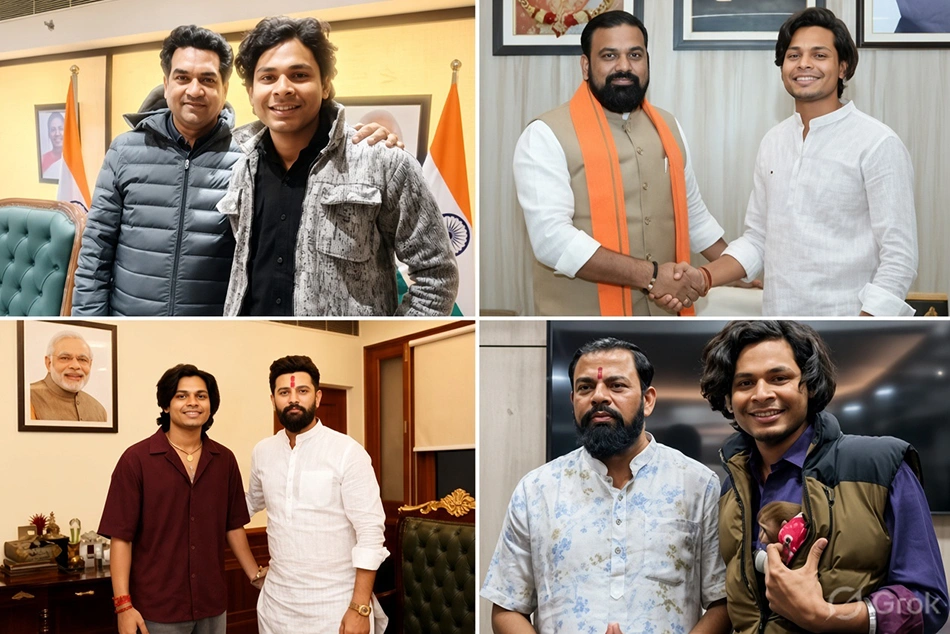
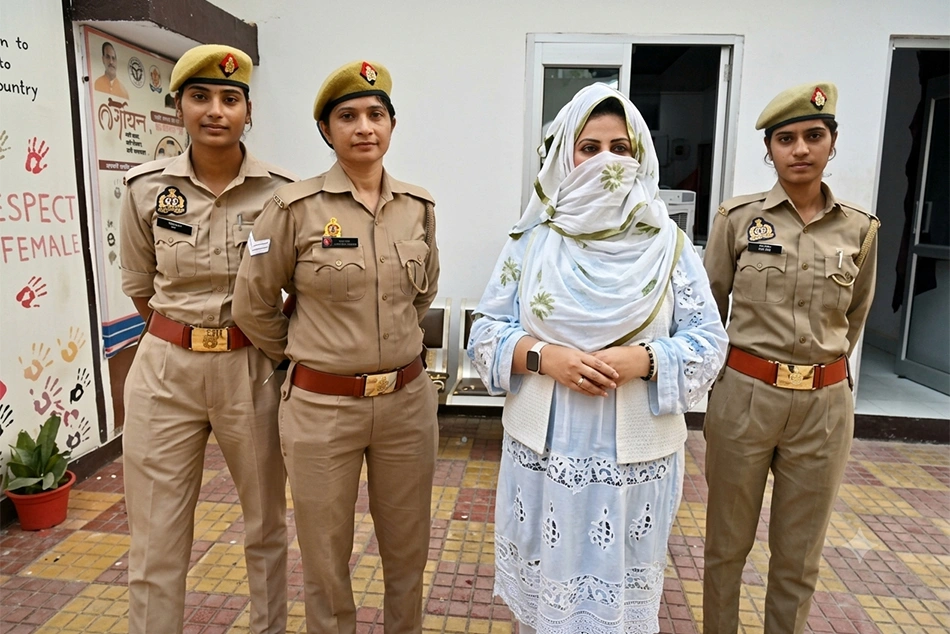
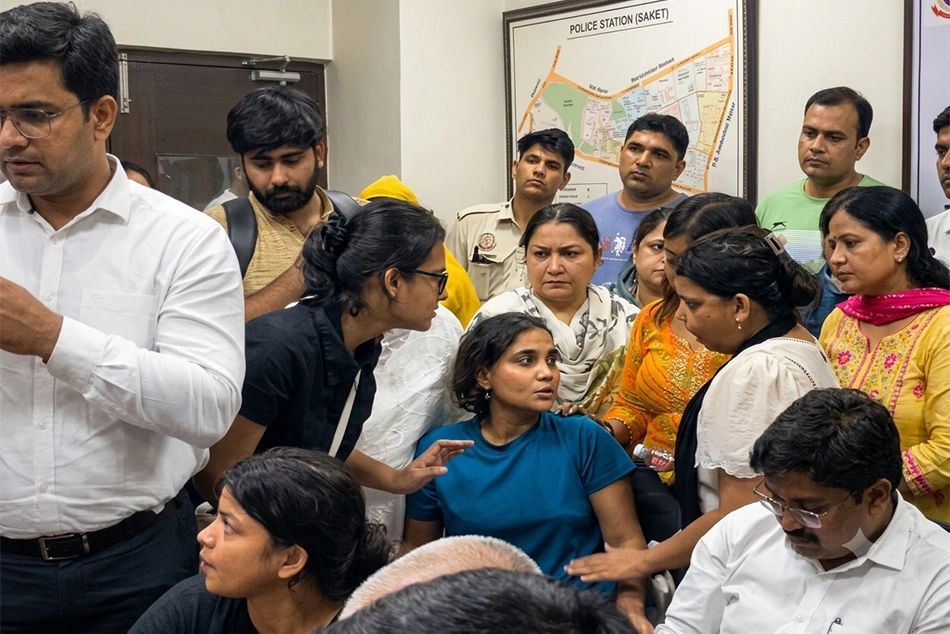
Swatantra Bharadwaj has finally been arrested. The 21-year-old self-styled Hindutva influencer was arrested by Delhi Police in connection with the alleged assault on Sanjay Kumar, father of student activist Nishu Azad, during a protest at Jantar Mantar. The case became particularly disturbing after Bharadwaj appeared on a podcast and spoke proudly about the alleged assault. He claimed that Sanjay Kumar had suffered around 60 stitches and spoke about the violence almost as an achievement. The police have subsequently invoked provisions including the SC/ST (Prevention of Atrocities) Act, POCSO Act and other criminal provisions in cases connected with Bharadwaj.
Bharadwaj had built a public persona around aggressive Hindutva, attacks on Muslims and political opponents, provocative social-media content and his claimed proximity to powerful political figures. But the larger issue is not simply what Bharadwaj did. It is the political environment in which someone like him can emerge, acquire visibility and believe that aggression against ideological opponents is a form of political or religious service.
Bharadwaj did not emerge from nowhere. He appears to have deliberately constructed an identity around aggressive Hindutva and confrontation. People like him learn from the political world around them. They watch who gets followers, who becomes famous on social media, who gets photographed with political leaders, who is invited to political events and who gains recognition by making increasingly provocative statements. They see that controversy can sometimes produce visibility and political relevance rather than ending a career.
T. Raja Singh is one example. The BJP suspended him in 2022 following his controversial remarks about Prophet Muhammad, but the suspension was later revoked and he was given the BJP ticket from Goshamahal in the 2023 Telangana Assembly elections. Pragya Singh Thakur provides another example. During the 2019 election campaign, she described Nathuram Godse as a patriot, yet remained the BJP candidate from Bhopal and went on to win the Lok Sabha election. The significance of such examples is not that every inflammatory statement is officially endorsed. It is that aggressive Hindutva can become a source of visibility, political relevance and social capital.
For a young activist watching this ecosystem, the lesson can be quite simple. People become famous by being provocative, build large social-media followings by abusing opponents and acquire recognition by presenting themselves as uncompromising Hindutva warriors. Photographs with political leaders, invitations to political events and large online followings become symbols of status. The reward need not be an election ticket or an official position. Visibility, access and recognition can themselves become powerful incentives.
This is where the hypocrisy begins. The political ecosystem can find such people useful without formally owning them. Aggressive activists can occupy the streets, dominate social media, intimidate protesters, target opponents and create an atmosphere in which dissent becomes costly. They can perform a role that formal political organisations may find useful precisely because they operate outside their formal structures. But when one of them goes too far and the resulting controversy begins to damage the larger political project, the relationship can suddenly disappear. The foot soldier becomes an outsider.
The issue, therefore, is not whether every Bharadwaj receives direct instructions from the RSS or BJP. That would be difficult to establish and is not necessary to understand the larger phenomenon. The issue is the political space created for such people to flourish—an environment in which aggressive Hindutva rhetoric is normalised, confrontation is celebrated and individuals can acquire status by demonstrating their willingness to fight those identified as enemies.
A person entering such an ecosystem may not think of himself as a criminal or a goonda. He may see himself as a soldier. The Muslim becomes an enemy, the Dalit activist, student protester, journalist, liberal or opposition politician can similarly be portrayed as an enemy. Once somebody has been turned into an “enemy”, attacking that person can be understood not as criminality but as ideological service. Intimidation becomes courage, harassment becomes activism, threats become patriotism and violence becomes sacrifice.
Bharadwaj’s alleged conduct fits into this disturbing culture. The alleged attack on Sanjay Kumar was followed not by apparent remorse but by public discussion of the violence. The violence itself could become part of his persona—a demonstration of strength and masculinity to an audience that understood the language. Social media has amplified this process. Hate can be recorded, uploaded, shared and converted into followers. Outrage becomes content, content becomes followers, and followers can become political visibility and access.
The result is a competition in extremism. One person makes a provocative statement; another tries to go further. One abuses an opponent; another threatens one. One builds a reputation by demonising minorities; another tries to demonstrate that he is willing to confront them physically. Political loyalty becomes something that has to be performed publicly and repeatedly. In such an environment, aggression becomes political currency.
Political ecosystems are larger than political parties. They include politicians, influencers, religious organisations, television personalities, online networks and informal activists. They may not all have formal organisational links, but they can reinforce one another by creating a common vocabulary of enemies, threats and ideological loyalty. When certain communities or political opponents are repeatedly presented as threats to the nation, those operating within the ecosystem can begin to believe that confronting them is an act of patriotism.
This also creates a convenient arrangement for the political establishment. The aggressive foot soldier can be useful precisely because he can be disowned. When he attacks a protester or floods social media with hatred, his actions can contribute to an atmosphere of fear and intimidation without necessarily creating formal responsibility for the organisation. But when public outrage becomes too large, the same person can be reduced to an isolated individual whose views and actions have supposedly nothing to do with the larger movement. This is the real meaning of being a foot soldier when useful, and an outsider when not.
The making of such a foot soldier is gradual. First comes the identification of an enemy, then dehumanisation, followed by the normalisation of abuse and the celebration of aggression. Eventually, violence against the “enemy” no longer feels like violence to the person committing it. It feels like service to a larger cause. The person at the end of this process may genuinely believe that he is doing something heroic.
That is what makes the Bharadwaj episode disturbing. It is not merely about whether one young man assaulted somebody. It is about how a young man came to believe that such behaviour could enhance his reputation rather than destroy it. Let the courts determine his guilt or innocence on the basis of evidence. But society must also examine the political culture in which young people can acquire status by becoming increasingly hateful, aggressive and willing to attack those identified as enemies.
Because Bharadwaj is unlikely to be the last. The real danger is the production of the next Bharadwaj—young men watching the ecosystem and learning that hatred can bring followers, aggression can bring recognition and ideological extremism can bring status. They may never receive a formal invitation to join a political organisation. They may not need one. The culture itself can teach them where they belong and what behaviour earns recognition.
And when one of them finally crosses a line that becomes impossible to defend, the political establishment can simply wash its hands of him. He becomes an individual. His actions become personal. His affiliations become irrelevant. His photographs become “misused”. The ecosystem that benefited from his aggression can suddenly claim that he was never really part of it.
That is the hypocrisy that needs to be confronted. A political ecosystem cannot benefit from the energy, loyalty and aggression of its foot soldiers when they are useful, and then disown them when their actions become a liability.
Arresting Bharadwaj may be necessary. But the larger challenge is to question the ecosystem that makes people like him believe that hatred is a form of loyalty, aggression is a form of courage and attacking dissenters is a form of service. The foot soldier may be arrested. The question is whether the system that keeps producing foot soldiers will ever be confronted.
[The writer, T Navin, is Independent Writer.]
Follow ummid.com WhatsApp Channel for all the latest updates.
Select Language to Translate in Urdu, Hindi, Marathi or Arabic