Cow Slaughter: The West Bengal Story
Narendra Modi could bring an amendment to the Constitution and ban cow slaughter across India, but neither he nor his government is likely to do it
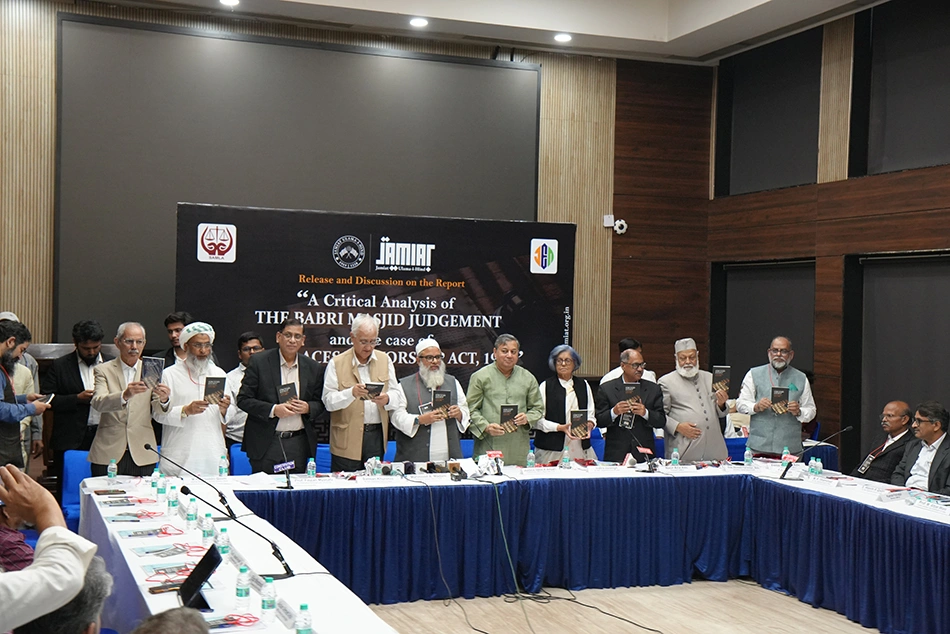
Maulana Mohammad Shafiq Qasmi, the Imam of Kolkata’s Nakhoda Mosque, has urged Muslims to voluntarily avoid cow sacrifice and beef consumption. This has disillusioned Bengal Chief Minister Suvendu Adhikari, as it snatched away his image as the new Hindu Hridaya Samrat of the saffron ecosystem. His suggestion to the central government to declare the cow a protected national animal has also left Hindu fundamentalist organisations crestfallen, as they would be denied a tool to weaponise Hindu-Muslim communal relations.
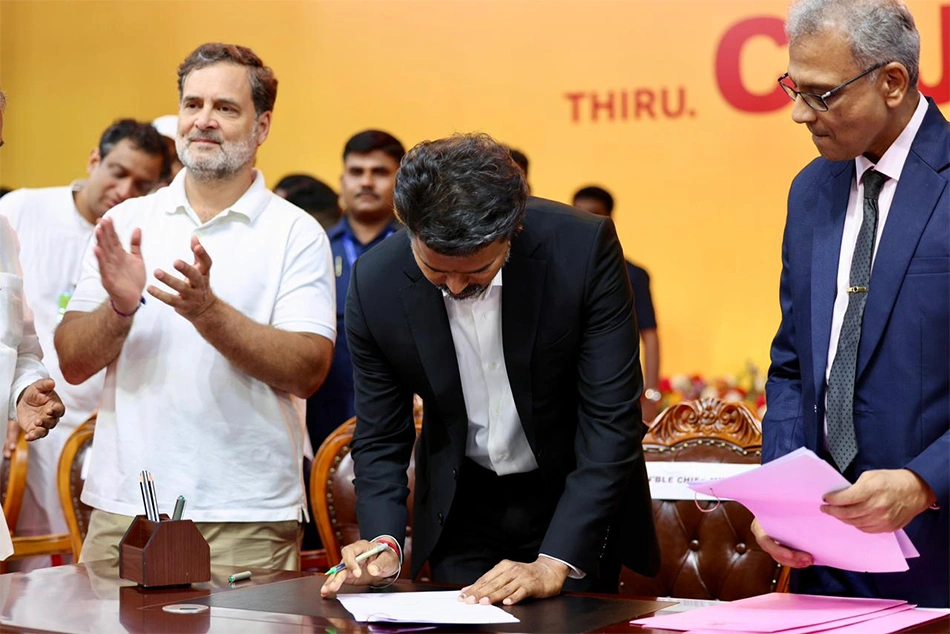
Ever since Suvendu became Chief Minister, he has treated Muslims with contempt and denied them privileges and benefits provided by previous governments. He scrapped all honorarium schemes based on religious categorisation, including the monthly stipends provided to Imams and Muezzins. The state completely halted the monthly stipends (₹3,000 for Imams and ₹2,000 for Muezzins) and stopped financial aid routed through the Minority Affairs, Madrasa Education, and Information & Cultural Affairs departments.
Earlier, he imposed restrictions on the use of loudspeakers and offering namaz on roads. He argued that Muslims should offer namaz inside mosques. He was correct in saying that namaz blocks the movement of vehicles. However, he ought to realise that namaz is not a day-long affair; it is performed for not more than an hour. Most mosques are old and have limited capacity to accommodate worshippers. Over the years, the number of worshippers has increased. It is therefore not always possible for everyone to pray inside the mosque at the same time. Naturally, people offer prayers beside the mosques. Loudspeakers are usually used for the azaan. For supporters, these actions represent the enforcement of strict secular governance; for critics, they underline a commitment to a majoritarian political base.
To project himself as an unprejudiced ruler, he also scrapped identical stipends for Hindu temple priests (Purohits) and abolished the state’s existing OBC list following an order from the Calcutta High Court. His abolition of OBC stipends is part of a larger RSS design to deprive Dalits, Muslims, and backward castes of financial benefits. If the small stipend paid could be viewed through the prism of appeasement, then he should also scrap other financial and legal benefits and social welfare programmes. Central and state endowments, such as the Hindu Religious Institutions and Charitable Endowments departments, provide annual cash grants or one-time assistance for temple maintenance and priest welfare.
The cleric’s appeal comes in response to the West Bengal government strictly enforcing the Animal Slaughter Control Act of 1950, which requires veterinary “fit certificates” for cattle. Through his appeal to Muslims to sacrifice goats instead of cows and avoid beef consumption, the Imam has shown respect for Hindu sentiments. However, it has also created a major economic crisis for Hindus engaged in cattle trading.
There is no denying that these actions deviate from India’s pluralistic concept of secularism, which historically means protecting and accommodating diverse religious communities. Shubhendu, in his quest to project himself as a Hindu Hridaya Samrat and gain a place of eminence in the saffron ecosystem, has resorted to such actions. He has his own problems. He is a turncoat who travelled to the BJP from Congress through the Trinamool Congress. He does not want to remain under suspicion in the eyes of saffron leaders, especially the RSS.
Since the RSS and BJP are concerned about cow protection, Narendra Modi could bring an amendment to the Constitution and ban cow slaughter across the country. Modi has already amended the Constitution eight times since taking office in 2014. He has frequently changed constitutional provisions. He can bring one more amendment to empower his government to ban cow slaughter for what supporters would describe as the greater benefit of Hindu society. Such a move would accomplish the saffron mission of cow protection. Gau Raksha has long been an avowed mission of the RSS.
Also Read: Muslims earn peanut; Govt, Hindus benefit most from animal slaughter in India
But neither he nor his government is likely to do it. Even the RSS and the broader saffron ecosystem would oppose such a move. The reason is simple: once such a constitutional amendment is enacted, Modi and the saffron ecosystem would lose a key tool used to communalise and polarise Hindus while terrorising and discriminating against Muslims and Dalits. Preventing cow slaughter has become a major instrument of saffron politics directed against Muslims. Perspectives on this issue vary widely depending on ideological, historical, and sociological lenses in India.
For proponents of Hindutva, cow protection is fundamentally about preserving the deep cultural and religious reverence for the cow within Hinduism. They argue that laws preventing cow slaughter are based on ethical, ecological, and economic principles and are not inherently intended to target minority communities. Historically, even some Mughal rulers, such as Akbar and Babur, restricted cow slaughter to respect the sentiments of the majority population.
Scholars often argue that while cow protection has ancient roots, modern political mobilisation around the issue has been used as a tool to polarise society, marginalise Muslims, and exert cultural dominance. They point to the rise in vigilantism, which has involved physical violence against Muslims accused of transporting or consuming beef. Critics view state-level bans as a means to control the dietary habits and economic livelihoods of minority communities.
Saffron supporters argue that the Modi government has not enacted a nationwide ban on cow slaughter primarily because the Constitution divides legislative powers, making agriculture and preservation of livestock state subjects rather than central subjects. This division prevents the Union government from unilaterally imposing a uniform law across all states. Under the Seventh Schedule of the Constitution, state legislatures have sole authority to legislate on matters concerning livestock and slaughter.
The issue of cow slaughter in India is multifaceted, with deep historical, cultural, and political implications. It intersects with constitutional principles, farmers’ livelihoods, and political debates regarding communal polarisation. Protection of cows is embedded in the Constitution as a Directive Principle of State Policy under Article 48, which guides the state to organise agriculture and animal husbandry on modern lines and prohibit the slaughter of cows and calves.
Also Read: BJP-led government bans beef in Maharashtra, starts selling same in Goa
Some political analysts and opposition parties argue that cow protection is used as a political tool to polarise communities and target minorities. They contend that such issues are amplified to create communal divides instead of addressing broader socio-economic concerns. Farmers and political groups argue that strict anti-cow slaughter legislation adversely affects agricultural livelihoods, the leather industry, and those engaged in the cattle trade. It often imposes economic burdens on farmers who cannot afford to maintain unproductive cattle.
The movement has also led to the rise of cow vigilante groups, aggravating concerns regarding law and order, individual rights, and responses to violence. Under Modi’s rule, vigilante groups often behave like satraps whose actions and words appear to override the law. In many cases, they effectively influence policing and judicial processes. Simply filing a complaint with the police can result in immediate incarceration, reflecting the extent of their influence.
Under Indian law, self-appointed cow vigilantes (gau rakshaks) are not above the law. However, under Modi’s rule, the situation often appears reversed. Vigilante justice is illegal, yet human rights organisations have documented that these groups frequently operate with impunity due to weak law enforcement and, in some cases, state-level legal protections. Extrajudicial killings, mob lynchings, and physical assaults are grave criminal offences under the Bharatiya Nyaya Sanhita (BNS). The Supreme Court of India has repeatedly directed states to take strict action to prevent mob violence and vigilantism, but these directions have often proved ineffective. Human Rights Watch has highlighted that vigilantes frequently face little or no consequences. Weak legal enforcement, delayed trials, and frequent acquittals contribute to the perception that such groups evade accountability.
Cattle slaughter is banned or restricted in several states, though enforcement mechanisms vary widely. In some states with stringent cow protection laws, legislation includes clauses granting legal immunity to vigilantes or officials if their actions are deemed to have been taken in “good faith” while protecting cattle. The phrase “good faith” lacks clarity and can empower mobs to harass and attack minority communities, particularly Muslims and Dalits, under the guise of law enforcement.
The issue is further complicated by economic realities. The cattle trade is a vital part of the agricultural economy, benefiting Hindu farmers and Muslim traders alike. Strict crackdowns and bans on slaughter affect livelihoods and the broader meat and leather export industries. The livestock industry is a critical component of the agrarian economy. A complete nationwide ban would create major complications because millions of farmers rely on the dairy sector, and non-milking cattle must be managed in ways that do not economically cripple agricultural families. India is also one of the world’s top producers and exporters of bovine meat, primarily buffalo meat. A blanket national ban would significantly disrupt this multi-billion-dollar export sector.
Also Read: My Jain friends are in beef export business, Prime Minister Modi says in a video
Interestingly, the Supreme Court ruled in State of Gujarat v. Mirzapur Moti Kureshi (2005) that while bans on cow slaughter are constitutionally valid, total bans on the slaughter of non-milch or economically unproductive cattle severely infringe upon butchers’ fundamental right to trade and occupation. The Constituent Assembly, guided by leaders like Dr B.R. Ambedkar, recognised that cattle are the backbone of rural agrarian communities, providing milk, manure, and labour. The economic reality is that a total ban would disrupt agricultural livelihoods, disproportionately impact Dalit and Muslim communities, and devastate traditional leather and meat industries.
Hindu farmers and livestock traders actively participate in the cattle trade. In agricultural and dairy-dependent communities, buying and selling cattle is a normal economic practice. Hindu livestock owners frequently raise cows for dairy purposes and sell ageing or unproductive cattle to manage household finances. In states like West Bengal, Hindu dairy-farming families, including Ghosh and Yadav communities, depend on selling older cattle to repay loans, support agriculture, and manage domestic expenses.
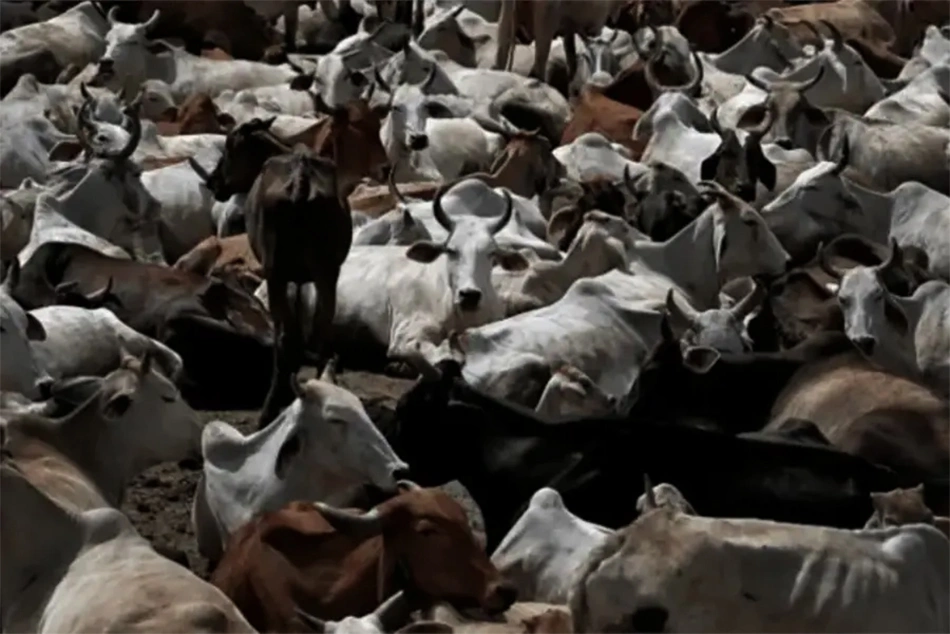
With Bakrid set to be celebrated on May 27, thousands of Hindu traders have protested across Bengal demanding the lifting of restrictions on slaughter. Many small traders invested lakhs of rupees in purchasing cattle for sale to Muslim buyers. However, following the Imam’s appeal, many Muslims have decided not to sacrifice cows, leaving Hindu traders in a difficult position. During protests against the government order, clashes with police occurred in several places. Protesters allege that cow protection is used by vested interests to consolidate identity politics and assert dominance over minorities. Research also suggests that many attacks are not actually about beef consumption but function as tools of intimidation, often based on rumours or false allegations.
The appeal from the Imam of Nakhoda Mosque has directly affected the scale and dynamics of the cattle trade ahead of Bakrid, resulting in a significant decline in Muslim buyers at cattle markets. Based on livestock market trends, the localised trade volume reportedly amounts to around ₹2,000 crore across the state, although the exact scale fluctuates depending on availability and market conditions. An average goat may cost anywhere between ₹10,000 and over ₹50,000 depending on breed and weight. Millions of rupees circulate through these local markets, primarily benefiting farmers and traders from rural West Bengal, Bihar, and Uttar Pradesh.
This time, the worst sufferers are Hindu traders. Trucks carrying cattle remain parked outside towns and cities, while Muslim buyers refuse to purchase them. Technically, this may appear to be a form of economic isolation. Agitating traders lament that they have been financially ruined and that recovering from the losses will be extremely difficult. The market size can fluctuate sharply. Strict enforcement of livestock transit and slaughter regulations can lead to supply disruptions and severe economic distress for rural rearers and traders.
An average goat can cost anywhere from ₹10,000 to over ₹1 lakh depending on its weight and breed. Every year during the holy month of Dhul Hijjah, Muslims across the world sacrifice animals such as goats, sheep, cows, or camels to commemorate Prophet Ibrahim’s willingness to sacrifice his son Ismail for the sake of God. There are many Qurbani rules that must be followed for the sacrifice to be considered valid.
India consistently ranks among the world’s top beef exporters, and many of India’s largest meat-exporting companies are owned or operated by Hindu families.
[The writer, Arun Srivastava, is a Senior Journalist.]
Follow ummid.com WhatsApp Channel for all the latest updates.
Select Language to Translate in Urdu, Hindi, Marathi or Arabic