US-Iran Peace Deal and Its Impact on India
The historic June 2026 US-Iran framework agreement marks a volatile culmination to over 100 days of devastating attrition, fundamentally shifting Middle Eastern security paradigms while altering India’s energy and strategic landscape
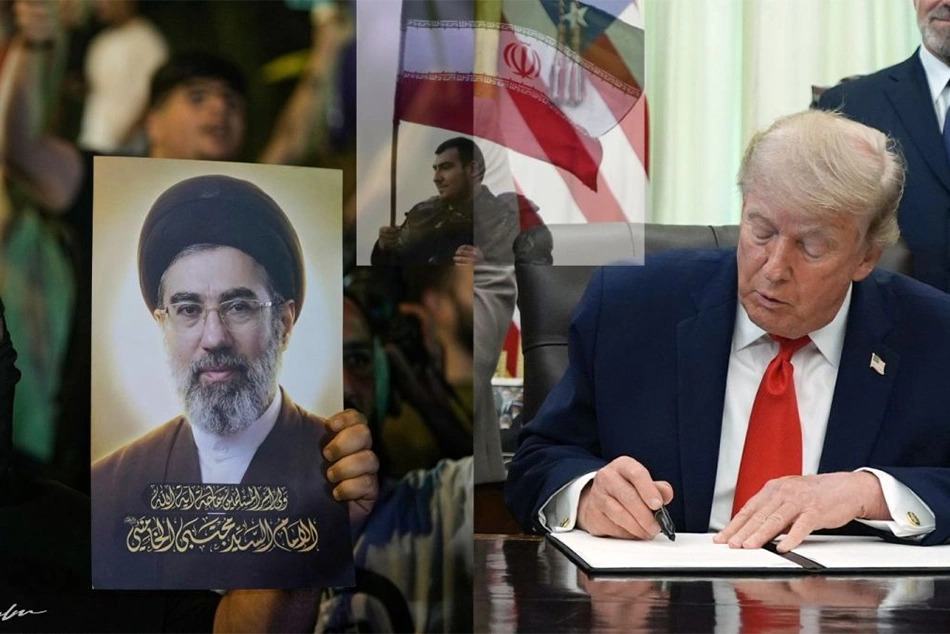
The historic June 2026 US-Iran framework agreement marks a volatile culmination to over 100 days of devastating attrition, fundamentally shifting Middle Eastern security paradigms while altering India’s energy and strategic landscape.
The announcement of the comprehensive Memorandum of Understanding (MoU) in mid-June 2026 — slated for a formal signing ceremony in Geneva, Switzerland on Friday June 19, 2026 — caps one of the most erratic diplomatic cycles in the modern presidential history.
Throughout the 100-day war, which erupted on February 28, 2026, with surprise joint US-Israeli strikes on the Iranian soil, President Donald Trump has repeatedly swung between total military brinkmanship and desperate dealmaking.
The Dynamic Shifts of Trump’s Iran Strategy
For months, the Trump administration pursued a strategy of "Maximum Pressure 2.0," enforcing a devastating naval blockade on Iranian ports and executing direct missile strikes against Iranian military radar and drone installations. Trump explicitly declared that Washington would not unfreeze a single dollar of Iranian assets before a comprehensive, verified nuclear and ballistic treaty was completely finalised.
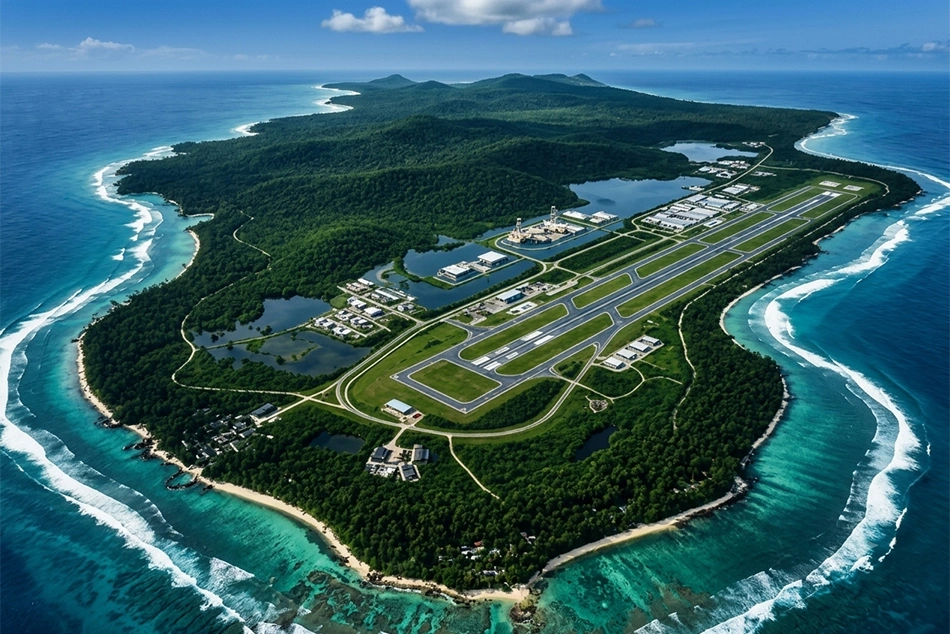
Yet, as the economic toll of the conflict manifested in a global energy crisis and a retaliatory drone attack severely damaged Kuwait International Airport, Trump’s rhetoric pivoted sharply. By mid-June, Trump bypassed his own red lines, authorising a phased release of $25 billion in frozen Iranian funds - including an immediate $12 billion vanguard transfer prior to technical talks - and extending temporary waivers on Iranian oil sales.
Taking to Truth Social, Trump abruptly congratulated all parties on a "complete" deal, ordering the world to "start your engines, let the oil flow," effectively contradicting months of uncompromising executive ultimatums.
Anatomy of Switzerland Accord
The initial framework, mediated primarily by Pakistan and Qatar during intense 17-hour sessions in Tehran, establishes a strict 60-day implementation matrix.
First of all, Iran executes a 30-day mine-clearing operation; with no transit tolls levied during the 60-day period. Secondly, the US lifts its total naval blockade and Iran halts regional proxy operations.
Thirdly, Tehran freezes enrichment beyond current levels and commits to diluting highly enriched stockpiles within Iran. Fourthly, Washington releases $25 billion in overseas funds via direct cash transfers and credit lines and blocks new sanctions.
Regional Projections: The White House-Jerusalem Rift
While the accord establishes an immediate ceasefire, its long-term viability remains intensely threatened by a highly public, widening rift between the White House and Jerusalem. The core friction centres on the scope of regional containment. The draft deal explicitly excludes Iran’s ballistic missile programme and regional proxy networks from the immediate text, focusing strictly on nuclear limitations and maritime freedom.
This compromise directly provoked Israeli Prime Minister Benjamin Netanyahu. In a direct challenge to Trump’s warnings to exercise restraint, the Israeli Air Force launched severe retaliatory airstrikes targeting Hezbollah strongholds in the southern suburbs of Beirut, following localised rocket barrages into northern Israel on Sunday June 14.
The escalations briefly threatened to upend the entire diplomatic track, prompting Trump to publicly berate Netanyahu as a "very difficult guy" and warn that regional hostilities must cease immediately. Concurrently, Iranian Parliament Speaker Mohammad Baqer Qalibaf warned that the future of diplomacy hinges entirely on Washington’s concrete ability to restrain Israel, stating that further uncoordinated unilateral strikes will nullify the new understandings.
Strategic Implications for India
The stabilisation of the Persian Gulf and the broader Middle East carries profound economic and strategic ramifications for New Delhi. As one of the world's largest energy consumers, India was severely impacted by the effective closure of the Strait of Hormuz, which handles roughly 20% of the global petroleum trade.
- Macroeconomic Stability: The resumption of standard maritime transit through the Gulf is projected to rapidly cool global crude prices, immediately lowering India's import bills, reducing domestic inflationary pressures, and stabilising the fiscal deficit.
- Chabahar Port Resumption: The de-escalation of the US-Iran war breathes fresh life into India’s flagship geopolitical project: the Chabahar Port in southeastern Iran. With the lifting of naval blockades and a pause in new sanctions, India can safely accelerate infrastructure development, cementing its transit corridor into landlocked Central Asia and Afghanistan while bypassing Pakistan.
- The Geopolitical Tightrope: New Delhi must continue to perform a delicate balancing act. While India welcomes the US-brokered stabilisation and maintains deep civilisational ties with Tehran, it simultaneously expands its deep technological and defence partnership with Israel. Navigating the friction between Washington, Tel Aviv, and Tehran will test the highest levels of Indian diplomatic agility.
A Fractured Airspace
Ultimately, the Switzerland accord demonstrates that the security architecture of the Middle East is no longer dictated by a single superpower. By proving that Israel will independently execute pre-emptive strikes despite explicit warnings from Washington, and that Tehran can leverage maritime choke points to force massive financial concessions, the conflict has decentralised regional power.
As the 60-day technical negotiations commence under the shadow of the late Supreme Leader Ayatollah Khamenei’s upcoming funeral processions in July, the region remains on a knife-edge.
The "beautiful peace" envisioned by President Trump remains fundamentally hostage to whether the White House can effectively enforce compliance on its closest ally, or if the unresolved undercurrents of asymmetric warfare will drag the region back into a state of total war.
Moreover, the accord has not settled core disputes (nuclear inspections, role of Israel, exact economic terms). The deal’s fate now hinges on the formal signing this week and the hard work of negotiating the final pact.
[The writer, Asad Mirza, is Delhi bases Journalist and Author.]
Follow ummid.com WhatsApp Channel for all the latest updates.
Select Language to Translate in Urdu, Hindi, Marathi or Arabic