How Gen Z Emerged As PM Modi's Toughest Political Challenger
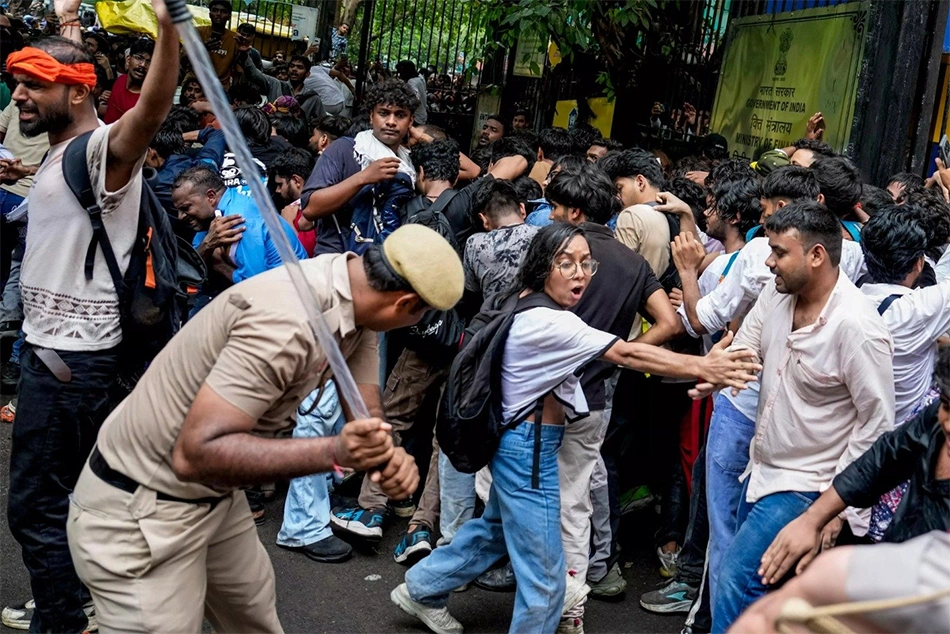
Initially, the students' demonstrations were directed at Dharmendra Pradhan, but, within days, they evolved into a broader critique of Prime Minister Narendra Modi’s leadership and the BJP’s political style.
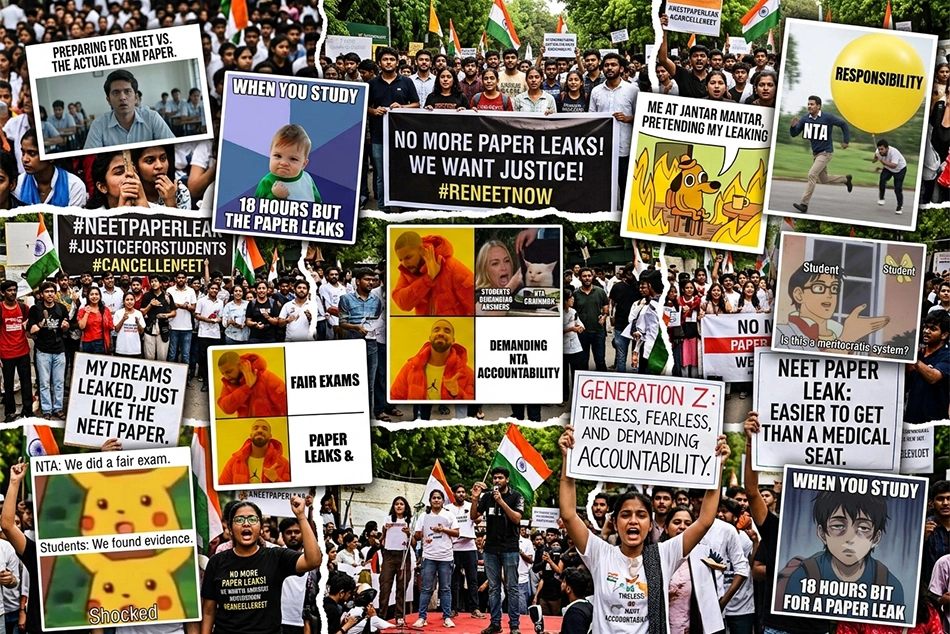
A New Opponent Emerges
For over a decade the Bharatiya Janata Party (BJP) has framed its political battles around familiar adversaries Pakistan, China, George Soros, the “Khan Market Gang”, Urban Naxals, and sections of the opposition. These narratives have often helped consolidate its support base by presenting the party as a defender of national interests against powerful external and internal forces.
The BJP has spent enormous political capital, financial resources, and organizational machinery to cultivate Prime Minister Narendra Modi’s image as a Vishwaguru (global leader) and a decisive statesman. Through extensive domestic and international campaigns, the party has sought to shape and control the narrative surrounding Modi’s leadership, projecting him as one of the world’s most influential leaders.
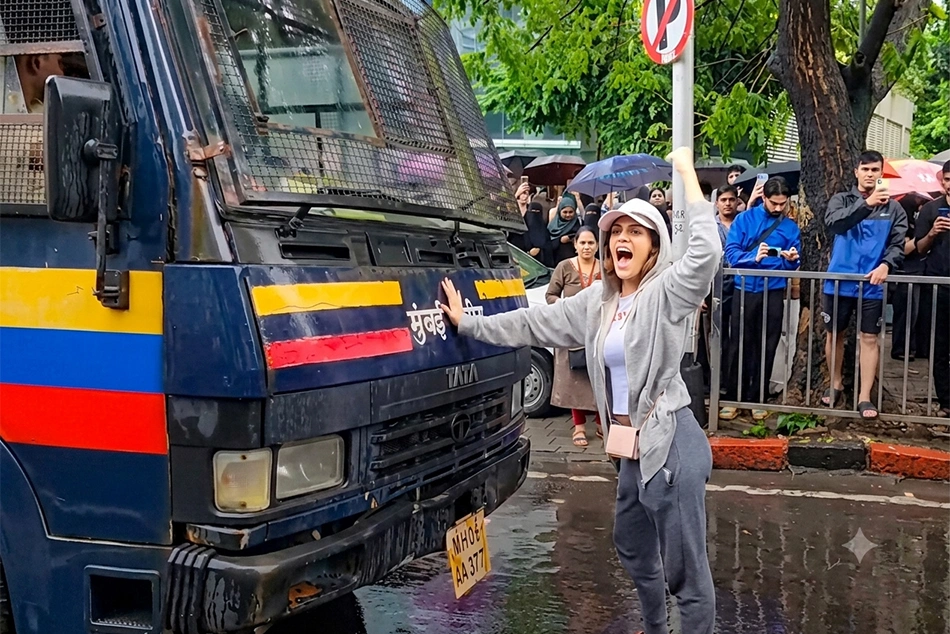
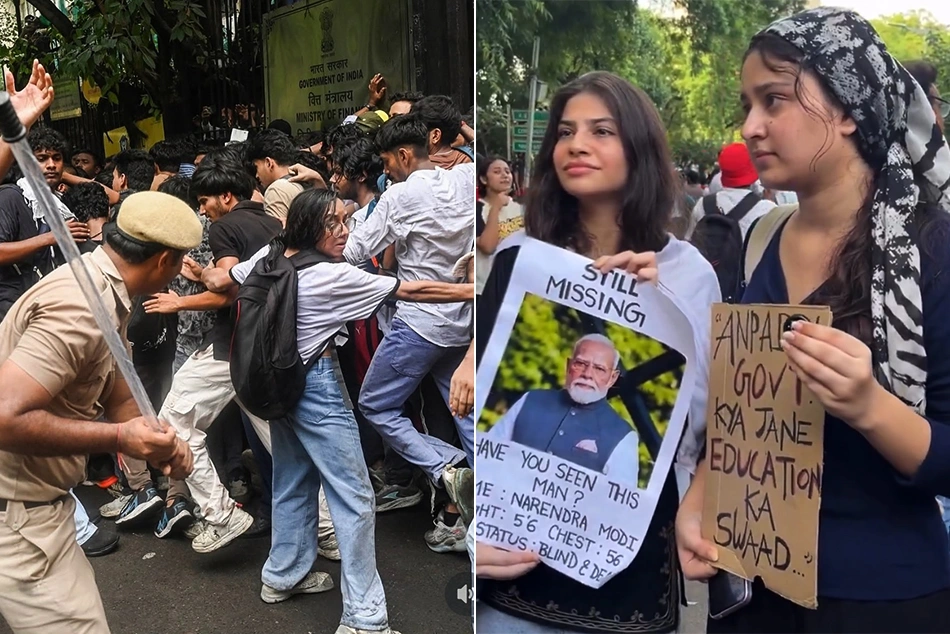
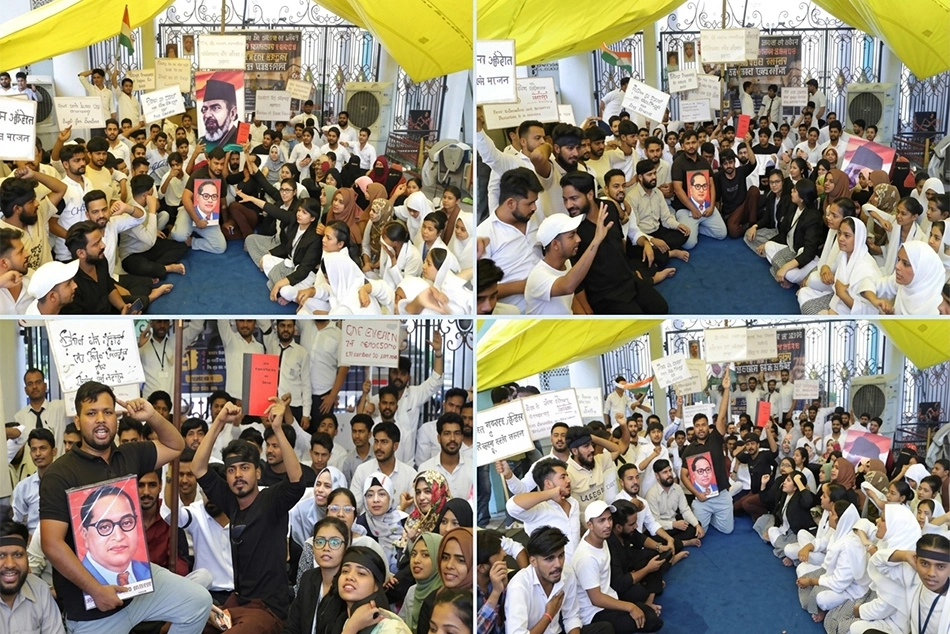
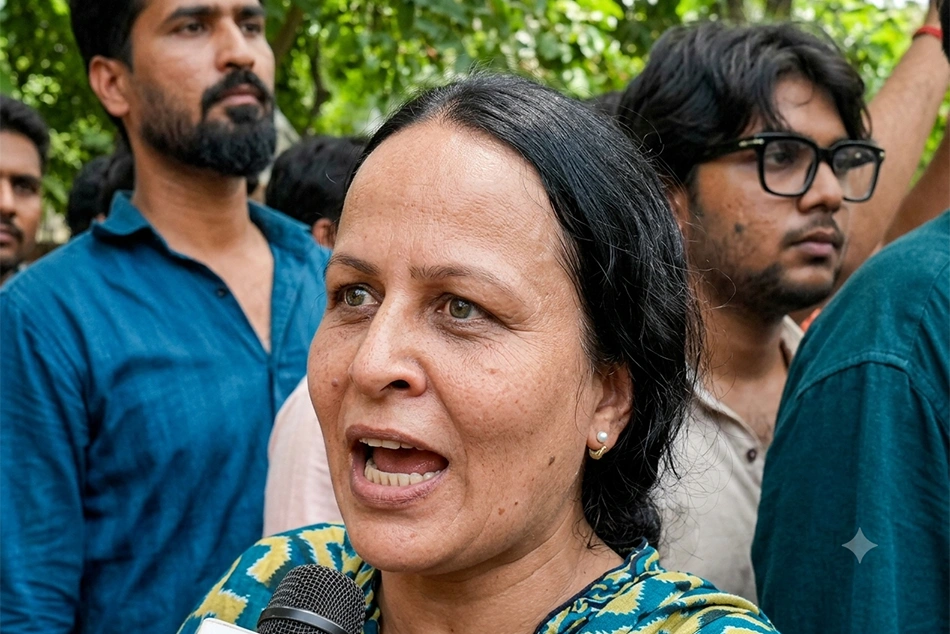
However, the recently concluded protests at Jantar Mantar, which later spread to several other cities, introduced a new and unexpected challenge:
Generation Z.
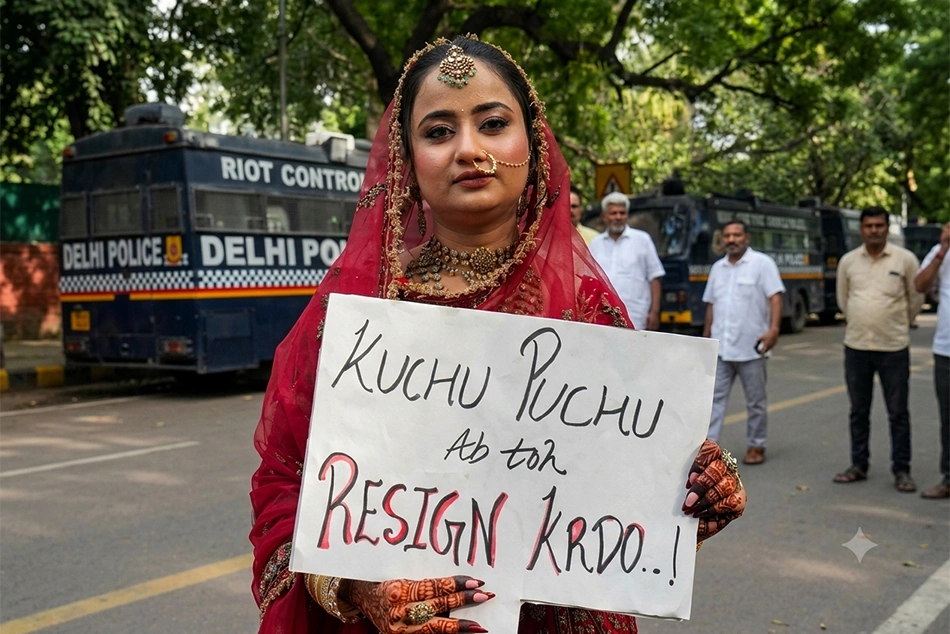
Instead of responding through conventional political discourse, young people turned to memes, satirical videos, and viral social media content to express their dissent. In doing so, they challenged the carefully crafted public image of the Modi government, with much of the online criticism directed personally at the Prime Minister. The rapid spread of this digital content demonstrated how quickly internet culture can reshape political narratives in ways that traditional communication strategies often struggle to counter.
This has added a new challenger, which seemed to have emerged—one that does not have a political headquarters, an ideology, or even a formal leadership. That challenger is Generation Z.
Young Indians, armed with smartphones, social media platforms, and a sharp sense of political satire, are increasingly shaping public discourse in ways traditional political communication struggles to counter.
The CJP Protests
The recent CJP protests marked a significant shift in political messaging.
Initially, the demonstrations were directed at Dharmendra Pradhan, focusing on specific grievances and administrative decisions. However, within days, the conversation expanded far beyond the immediate issue. The protests evolved into a broader critique of Prime Minister Narendra Modi’s leadership and the BJP’s political style.
What began as issue-based dissent soon transformed into a wider debate about governance, accountability, and democratic freedoms.
Eventually, the Prime Minister himself had to face the backlash, with his carefully cultivated public image coming under unprecedented scrutiny. Over the years, the government has invested enormous resources in projecting Narendra Modi as a transformative national leader through extensive advertising campaigns, branding initiatives, and high-profile public outreach. Celebrity participation in flagship campaigns such as Swachh Bharat, Fit India, Vocal for Local, Har Ghar Tiranga, and International Yoga Day further amplified this image and helped present him as a leader capable of uniting influential public figures behind national causes.
While participation in these campaigns does not necessarily constitute political endorsement, such collaborations have undeniably strengthened Modi’s public persona. However, the recent wave of online criticism and meme culture demonstrated how quickly a meticulously crafted image can be challenged in the digital age, where public perception is increasingly shaped by decentralized voices rather than controlled narratives.
Then Came Gen Z
Unlike previous generations, Gen Z consumes politics through:
- Instagram Reels
- Memes
- Shorts
- Satire
- AI edits
- Viral remix culture
Respect for authority is no longer assumed. Everything from Hollywood celebrities to billionaires to presidents can become meme content within hours. The CJP protests demonstrated this shift dramatically. Initially aimed at Education Minister Dharmendra Pradhan, the movement soon expanded into a broader critique of the Prime Minister and the BJP government.
When Politics Meets Meme Culture
One of the most striking features of the protests was how quickly Gen Z converted political messaging into internet culture. Instead of lengthy speeches or ideological debates, young users responded with:
- Viral memes
- Satirical videos
- Humorous edits
- Instagram reels
- Short-form content on X and other platforms
Political communication that once relied on carefully crafted narratives suddenly found itself competing against humour that could spread to millions within hours.
For a generation raised on digital culture, memes are not merely entertainment—they are a language of political expression.
A single viral meme can often travel farther than a press conference.
The Carefully Crafted Image of Modi Faces a New Challenge
For years, Narendra Modi’s public image has been built around decisive leadership, nationalism, strong governance, and personal charisma. Political branding has been one of the BJP’s strongest assets. However, digital-native audiences consume politics differently.
Gen Z often views political leaders through irony rather than reverence. In online spaces, carefully managed political images can quickly be reshaped through satire, parody, and viral trends.
The transformation of a serious statesman into meme material represents a challenge that traditional political strategies are not designed to handle.
The Internet Doesn’t Respect Political Branding
Political strategists spend years creating leadership imagery. Gen Z can dismantle it in days and we witnessed the glimpse in the Jantar Mantar agitation. Instead of lengthy ideological debates, social media users flooded timelines with:
- AI-generated videos
- Sarcastic edits
- Viral reels
- Political memes
- Remix culture
The Prime Minister Modi who was once projected primarily as a strong global statesman was increasingly portrayed through satire and internet humor in some online spaces. Whether one views this as healthy democratic expression or disrespect depends largely on political perspective.
Government Pushback
As online criticism intensified, reports emerged of authorities taking action against content considered abusive or unlawful.
Social media posts were reportedly removed on some platforms, while students allegedly involved in protest activities faced scrutiny or legal action in certain instances.
Supporters of these measures argue that governments have a responsibility to curb misinformation, hate speech, and content that may incite violence or disrupt public order.
Critics, however, contend that excessive restrictions on online speech risk discouraging legitimate dissent and debate, especially among young citizens.
The tension reflects a broader global challenge: where should the line be drawn between regulating harmful content and protecting freedom of expression?
A Generation That Doesn’t Fear Political Icons
Unlike previous generations, Gen Z has grown up in an era where information flows instantly and authority is constantly questioned. They are less likely to rely solely on television debates or newspaper editorials.
Instead, they:
- Fact-check information online.
- Consume political content through creators rather than traditional media.
- Use humor as a form of criticism.
- Organize digitally before mobilizing on the ground.
Their political engagement is decentralized, making it difficult for conventional political campaigns to predict or counter.
Can Political Messaging Keep Up?
The BJP has long demonstrated a sophisticated understanding of digital campaigning, using social media effectively to connect with voters. However, the current challenge is different.
Unlike organized political opponents, Gen Z is highly decentralized. Trends emerge organically, creators act independently, and viral content spreads rapidly without central coordination.
This makes digital pushback more complex than contesting a traditional political campaign.
Whether governments respond through communication, regulation, or legal action, the effectiveness of those strategies in an era of fast-moving online discourse remains an open question.
Who Wins?
This may not ultimately be a contest between Modi and Gen Z. It may instead be a contest between two very different models of political communication.
On one side stands the traditional political machine—disciplined messaging, centralized campaigns, and carefully managed public relations.
On the other is an internet-native generation that prizes humor, speed, participation, and viral content over conventional political messaging.
The outcome will not be determined solely by elections or online trends. It will depend on whether political institutions can engage a generation that expects transparency, authenticity, and dialogue rather than one-way communication.
In the digital age, narratives are no longer shaped only by governments, television studios, or political parties. They are increasingly created—and challenged—by millions of ordinary users with smartphones, creativity, and an internet connection.
The Battle Ahead
The confrontation is no longer confined to rallies or television studios.
It is unfolding on smartphones, in memes, short videos, comment sections, and social media timelines.
On one side is a political establishment that has mastered election campaigns and mass communication.
On the other is a digitally fluent generation that speaks the language of humor, satire, and instant virality.
Who ultimately shapes the public narrative will depend not only on political power but also on the ability to engage with a generation that expects authenticity, openness, and dialogue.
The Final Thought
The real contest today may not be between Gen Z and any particular political party, but between two fundamentally different models of political communication. One is built on centralized messaging, carefully curated leadership, and institutional control over narratives. The other thrives on decentralization, participatory culture, and the viral nature of digital expression. In many ways, this new ecosystem has challenged the communication machinery that the BJP once mastered through its formidable IT cell, weakening its ability to shape and dominate public narratives as effectively as it once did.
As India’s young population emerges as an increasingly influential electoral and social force, every political party not just the BJP will have to adapt to this evolving digital landscape. There is little merit in castigating Gen Z for responding in the language of memes, satire, and online campaigns. Ironically, it was the BJP and Prime Minister Narendra Modi’s political ecosystem that popularized these very tools while relentlessly targeting the Congress, Rahul Gandhi, and former Prime Minister Manmohan Singh. Today, those same methods are being turned against their creators.
In many respects, the political cycle appears to have come full circle. A party that once excelled at shaping public perception and discrediting its opponents now finds itself confronting the same tactics in an even more decentralized and uncontrollable digital environment. As the saying goes, one ultimately reaps what one sows.
The future of Indian politics is, therefore, unlikely to be determined solely at the ballot box. It will also be shaped in the fast-moving, unpredictable, and highly participatory arena of digital public discourse, where narratives are no longer dictated from the top but negotiated, contested, and amplified by millions of connected citizens.
[The writer, Mohd Ziyauallah Khan, is a freelance content writer & editor based in Nagpur. He is also an activist and social entrepreneur, cofounder of the group TruthScape, a team of digital activists fighting disinformation on social media.]
Follow ummid.com WhatsApp Channel for all the latest updates.
Select Language to Translate in Urdu, Hindi, Marathi or Arabic