When Cameras Captured First Color Photos of Makkah Grand Mosque
Abdul Ghafur Sheikh, a Harvard University student, was first to capture the color photos of the Grand Mosque in Makkah and other Holy Sites that were published by the National Geographic Magazine in July 1953
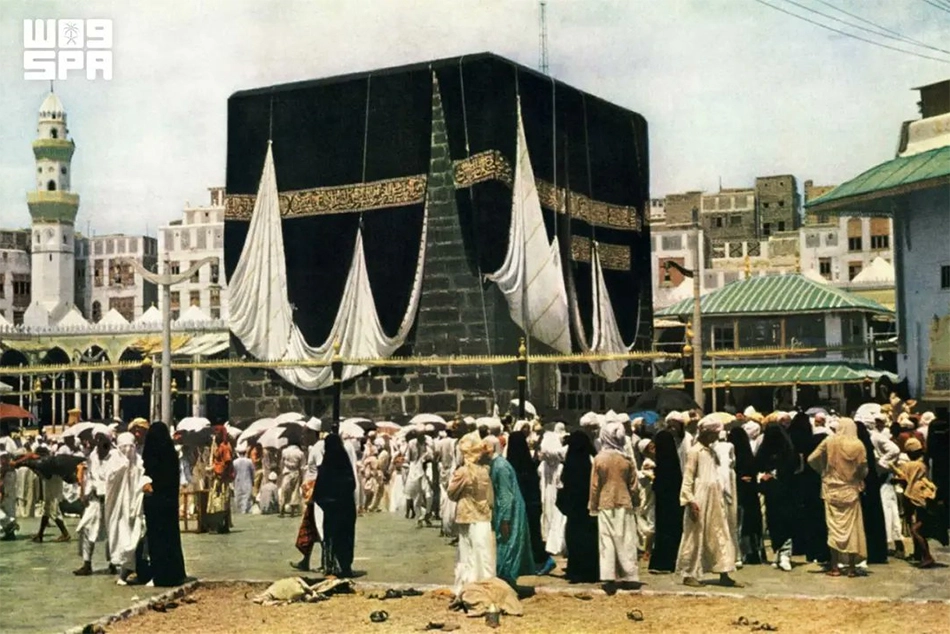
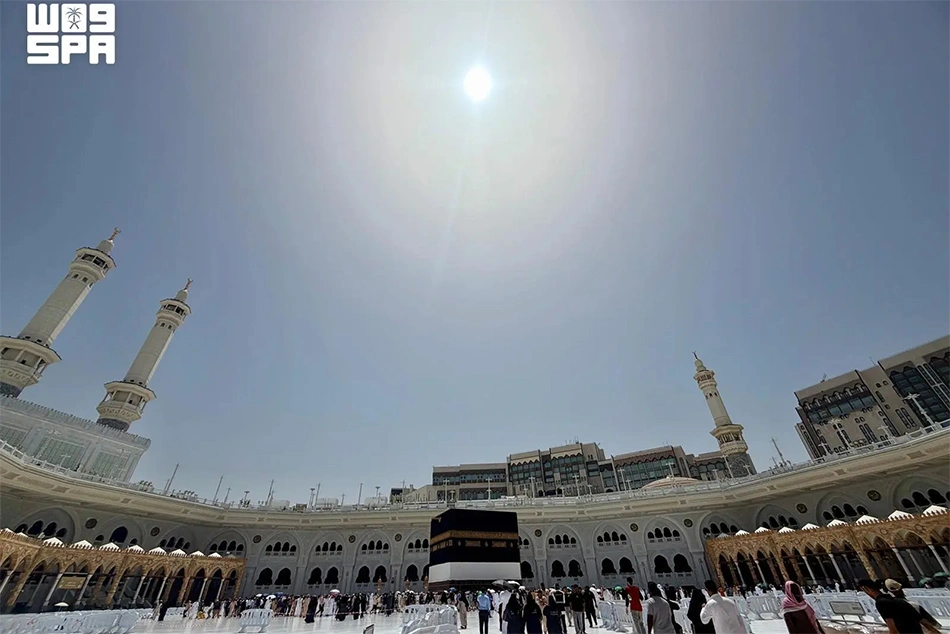
Makkah/Mina: National Geographic Magazine published a color photo report on the Grand Mosque in Makkah al Mukarramah and other Holy Sites titled “From America to Makkah on Airborne Hajj” in July 1953.
The photographs were taken by Abdul Ghafur Sheikh, a young Muslim of Pakistani origin and a business administration student at Harvard University, who proposed to the magazine the idea of photographing his journey to Makkah to perform Hajj in 1952 and conveying a realistic image of Islamic rituals and Hajj rites to Western readers.
The story dates to late summer 1952, corresponding to Dhu Al-Hijjah 1371 AH, when Abdul Ghafur Sheikh, a 21-year-old from a family known for trade and charitable work in East Africa, was preparing for an experience that would later become a rare visual documentation of Hajj. Ghafur's father had sent him to the United States to continue his education at Harvard University, but his longing for the Holy Kaaba remained present in his heart.
When vacation began, he went to the National Geographic Society’s headquarters in Washington and proposed the idea of becoming the first Muslim to document Hajj rituals in color photographs. The society approved the idea and provided him with two small cameras and a light meter despite his limited photography experience. Ghafur then departed from the New York airport for Makkah.
First Glimpse of Holy Kaaba
After an air journey, Abdul Ghafur arrived in Jeddah, and from there, he continued by night in a private car toward Makkah. Along the mountain bends, the lights of the Holy Capital began to appear until he entered the Grand Mosque through Al-Salam Gate with the first signs of dawn.
The set of photographs accompanied a spiritual journey during which Abdul Ghafur Sheikh documented his experience and observations of the place and the pilgrims.
Ghafour described the moment he entered the Grand Mosque as one of the most awe-inspiring moments of his journey. Amid the dampness of dawn and the cool air beneath the arches, he advanced toward the mataf area, where he saw the Holy Kaaba for the first time in the dim light of dawn draped in its rich black covering.
He concealed his camera and light meter beneath his ihram garments despite having obtained official permission, out of consideration for the sensitivity surrounding photography at the time.
Not an easy task
According to the report published in the magazine, the young photographer’s task was not easy. He kept the two cameras and light meter hidden beneath the two pieces of his ihram garments and often waited for the sun to rise high enough to provide the light contrast needed for color film at the time.
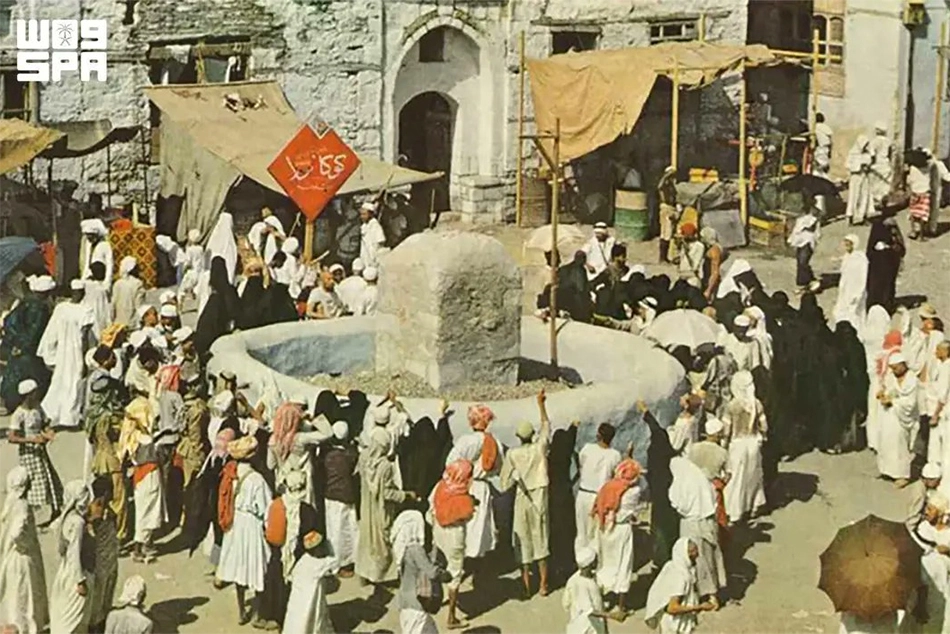
On his way to Arafat, he rented a private car instead of taking crowded buses, seeking freedom of movement to document the rituals through his lens. At Jabal Al-Rahmah, he stood bareheaded under the scorching sun and refused to carry an umbrella so his hands would remain free to take photographs.
After spending the night in Muzdalifah and stoning the Jamarat, he insisted on returning to the Grand Mosque on foot to perform Tawaf Al-Ifadah and document the procession of pilgrims. However, a dust storm obscured visibility, and to make the most of the time, he stopped a passing truck and paid its driver SAR5 to take him to the Grand Mosque to complete his ritual before leaving for Jeddah and then to New York.
Thus ended Abdul Ghafur Sheikh’s journey in Makkah 74 years ago after he documented the first color photographs of the Grand Mosque and holy sites.
Follow ummid.com WhatsApp Channel for all the latest updates.
Select Language to Translate in Urdu, Hindi, Marathi or Arabic