AI and Cutting-Edge Digital Solutions for Hajj Season
The Saudi Data and Artificial Intelligence Authority (SDAIA) has upgraded its technical infrastructure at Jeddah, Madinah and Taif International Airports to streamline entry procedures for arriving pilgrims during the 1447 AH Hajj season
The 1447 AH/2026 Hajj season has started in Makkah al Mukarramah and Madinah al Munawwarah. However, most of the people don’t have a clue about the massive scale of preparation and delivery managed by the various ministries of Saudi Arabia and municipalities of the regions, visited by the Hajj pilgrims, which take place. In thethird part of the series of hajj 1447/2026, Asad Mirza provides an insider’s view of these preparations from Jeddah and Makkah.
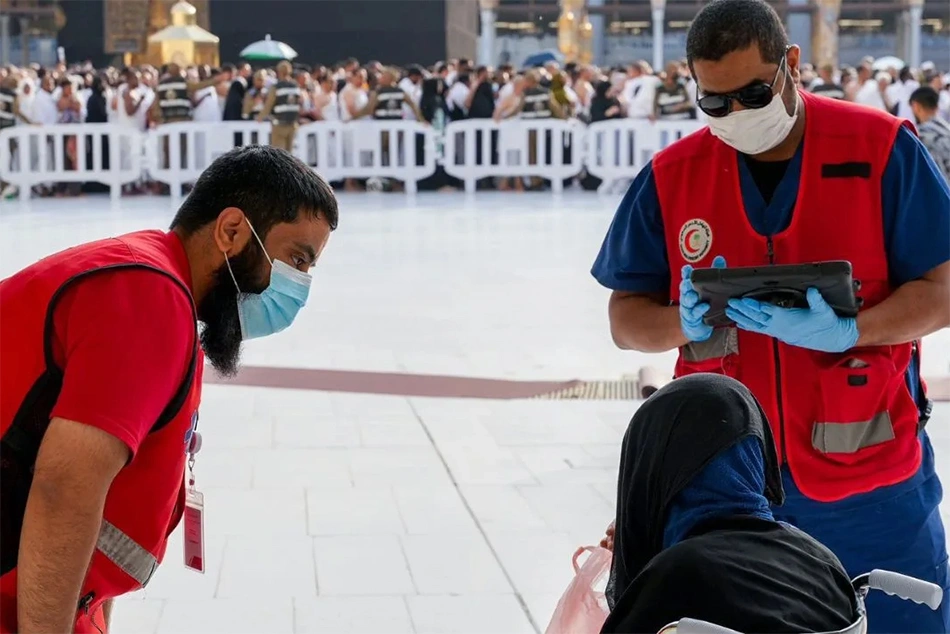
Saudi Red Crescent in Madinah Activates Services
The Saudi Red Crescent Authority in the Madinah Region activated its stroke pathway protocol for a 57-year-old Egyptian pilgrim after responding to a medical emergency at the Prophet’s Mosque.
Director General of the authority's Branch in Madinah Ahmed Al-Zahrani said emergency teams responded to the case within one minute and 39 seconds after the pilgrim experienced sudden symptoms. Following an emergency assessment and preliminary examinations, signs consistent with a stroke were identified, prompting the immediate activation of the stroke pathway in accordance with approved medical protocols.
Al-Zahrani added that the patient was transferred to the nearest hospital to receive the necessary medical treatment. He affirmed the continued readiness and deployment of emergency teams at the Prophet’s Mosque and the surrounding central area to ensure rapid response to emergency cases in the service of pilgrims and visitors.

SDAIA Deploys Advanced Digital Systems to Faster Pilgrim Entry
The Saudi Data and Artificial Intelligence Authority (SDAIA) has upgraded its technical infrastructure at Jeddah, Madinah and Taif International Airports to streamline entry procedures for arriving pilgrims during the 1447 AH Hajj season.
Working in coordination with other airport government agencies, SDAIA has optimised its digital platforms, network systems, and operational workstations to ensure high-efficiency processing.
Specialised technical and engineering teams remain deployed around the clock to monitor system readiness, provide immediate technical support, and maintain seamless operational continuity.
AI and Cutting-Edge Digital Solutions for Hajj Season
The Hajj Management Authority showcased the latest technological solutions, digital experiences, and artificial intelligence innovations transforming media coverage for the 1447 AH Hajj season.
Featuring broad participation from governmental, private, and non-profit entities, high-quality services are provided to pilgrims while empowering local and international media outlets to broadcast coverage with advanced professionalism.
Supporting the objectives of Saudi Vision 2030, the event also features specialised workshops focused on utilising modern tech and AI to accelerate information dissemination and elevate content creation standards across the media sector.
Which Holy Site Pilgrims Visit First During Hajj?
Mina stands as the first of the holy sites visited by pilgrims, who head to the valley on the Day of Tarwiyah (8th of Dhu Al-Hijjah/ 25 May 2026) before returning on the Day of Sacrifice (10th of Dhu Al-Hijjah/ 27 May 2026) and the three days of Tashreeq.
Uninhabited throughout the year outside of the Hajj season, this 16.8-square-kilometer valley is located within the sanctuary boundaries between Makkah and Muzdalifah, roughly seven kilometres from the Grand Mosque.
Bordered by mountains and flanked by Jamrat Al-Aqaba on the Makkah side and Wadi Muhassar on the Muzdalifah side, the historic valley contains the three Jamarat pillars for the stoning ritual as well as the famous Al-Khayf Mosque, historically known as the Mosque of the Prophets.
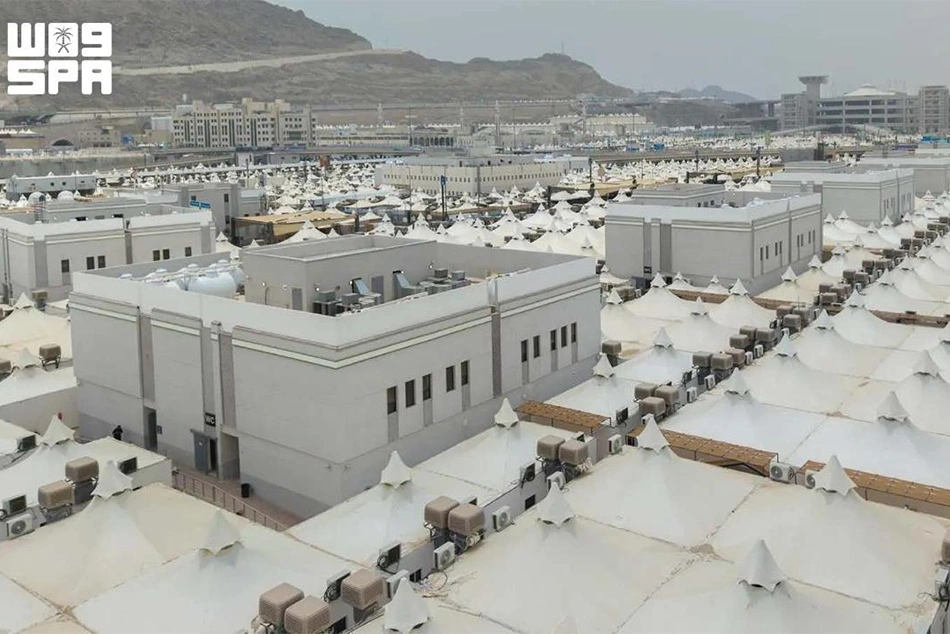
Mina: World's Largest Tent City
The Kingdom of Saudi Arabia is witnessing remarkable progress in the manufacturing and operation of the holy sites tents project, establishing a global model for operational efficiency and exceptional pilgrim services at Mina, which is transformed every year into the largest tent city on the occasion of Hajj.
Representing a significant efforts and planning, the massive tent system was developed, manufactured, and operated entirely through Saudi expertise, ensuring the highest international standards of quality.
The tent network relies on a highly integrated structural framework designed to maximise safety. Manufactured from specialised fire- and water-resistant materials, the tents are equipped with state-of-the-art automatic alarm and fire suppression systems, ensuring a high level of security and comfort for pilgrims.
Also Read Insider’s View: Latest Technologies That Make Hajj A Flawless Experience
The manufacturing process utilises advanced materials, including Teflon-coated fiberglass fabrics, which significantly enhance the structures' resistance to intense heat, fire, and fluctuating weather conditions. Spanning an astonishing 2.5 million square meters, the complex can accommodate approximately 2.6 million pilgrims, making Mina the largest tent city in the world. This monumental scale reflects the Kingdom's meticulous urban planning and its unwavering commitment to providing an optimal environment for pilgrims to perform their rituals with ease.
Ultimately, the holy sites tents project stands as a powerful testament to the advanced capabilities of the Saudi industrial sector. It is a national success story that reinforces the Kingdom's pride in its localised manufacturing potential and its profound dedication to serving the pilgrims.
[The writer, Asad Mirza, is Delhi based author and journalist. He is currently in Makkah, Saudi Arabia to perform Hajj.]
Follow ummid.com WhatsApp Channel for all the latest updates.
Select Language to Translate in Urdu, Hindi, Marathi or Arabic