Technology, at its Core, is Automated Impatience
Modern technology is fundamentally engineered to exploit and automate human impatience
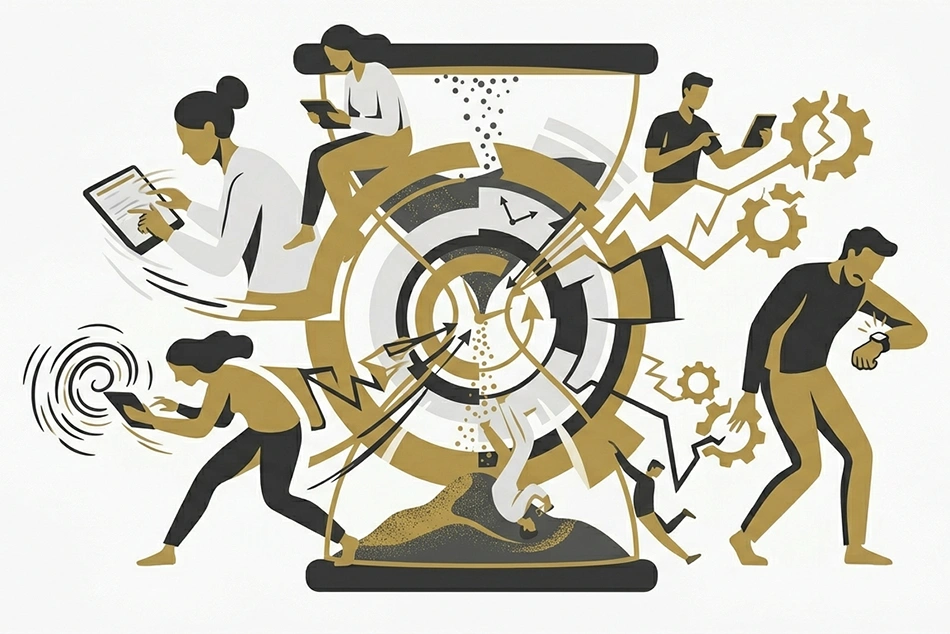
We often praise technology as the triumph of human intellect. The reality is more raw and vulnerable: our gadgets are a direct reflection of our internal restlessness.
Technology, at its core, is automated impatience.
The Infinite Loop of Wanting
Almost every major upgrade in human history has been an attempt to reduce the gap between wanting something and having it. We built the internet out of a desire for immediacy; waiting weeks for a letter to cross the ocean felt like agonizing torture.
However, this creates a psychological loop that never ends. Technology actively feeds the very impatience that nurtured it.
Consider the evolution of the web.
When dial-up internet first arrived, I remember being thrilled to watch a single webpage slowly render over two minutes. A few years later, those two minutes felt like an eternity. Today, if a website takes more than three seconds to load, I click away in frustration.
Our thresholds for waiting are constantly disappearing. Yesterday’s miracle now feels like today’s annoyance. We discovered our demand for instant food delivery only after the apps existed. Now, a thirty-minute wait for a meal feels like a crisis.
The Double-Edged Sword
When impatience becomes our default psychological setting, we begin to treat the entire world like a slow software app that desperately needs an upgrade. We are losing our tolerance for the vital aspects of the human experience that require time like Immersive Learning, Relationships and Creativity.
Corporate Greed
Corporations capitalize on our impatience to inflate their profits. Start-ups thrive by identifying our haste to fulfill our wants and needs, scaling rapidly by promising frictionless speed. They design interfaces to encourage instant gratification, turning our natural restlessness into a highly predictable stream of revenue.
In the process, they flood the market with cheap schlock and disposable playtoys, distracting us with novelty while extracting our wealth.
Reclaiming the Pace of Life
Is technology serving us, or are we running on a treadmill of our own making?
By recognizing that technology is born from our inability to wait, we can begin to build a healthier relationship with it. The next time an app takes a few extra seconds to load, or a delivery is slightly delayed, it serves as a reminder that while we can automate our tasks, we must actively practice patience.
(The writer, Mujeeb Jaihoon, is an author and social critic whose work explores the spiritual undercurrents of contemporary life. Discover more of his work and commentary at www.jaihoon.com.)
Follow ummid.com WhatsApp Channel for all the latest updates.
Select Language to Translate in Urdu, Hindi, Marathi or Arabic